Dr. Lori Gore-Green | Women's Health Professional

Dr. Lori Gore-Green's Portfolio of Experience as a Women's Health Professional

  • Dr. Lori Gore-Green’s Biography
  • Texas Health Presbyterian Hospital
  • Dr. Lori Gore-Green Blog
  • Contact
  • Presentations by Dr. Lori Gore-Green
  • Multimedia

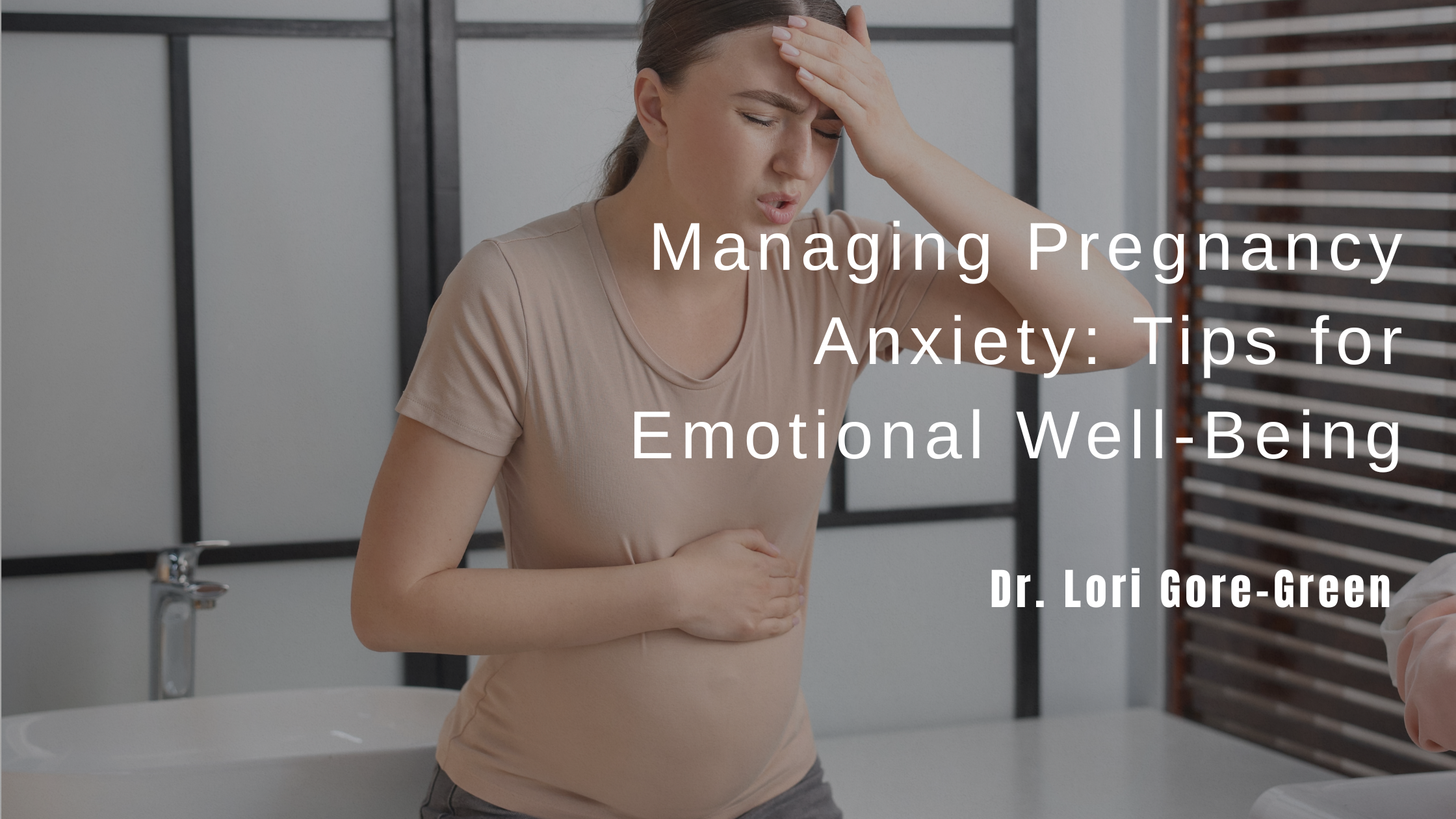
Managing Pregnancy Anxiety: Tips for Emotional Well-Being

March 2, 2026 by Dr. Lori Gore-Green

Pregnancy is often described as one of the most joyful seasons of life. Yet for many women, it is also a time filled with uncertainty, vulnerability, and anxiety. Physical changes, hormonal shifts, lifestyle adjustments, and concerns about labor, parenting, and the baby’s health can feel overwhelming. If you’re experiencing anxiety during pregnancy, you are not alone — and you are not failing. Emotional well-being is just as important as physical health during this transformative journey.

Below are practical, compassionate strategies to help manage pregnancy anxiety and cultivate a calmer, more grounded experience.


1. Acknowledge Your Feelings Without Judgment

The first step in managing anxiety is recognizing it. Many expectant mothers feel guilty for worrying during what is “supposed” to be a happy time. But emotions are not right or wrong — they are signals.

Ask yourself:

  • What specifically am I worried about?

  • Is this fear based on facts, assumptions, or past experiences?

  • What would I say to a friend feeling this way?

Journaling can be especially helpful. Writing down anxious thoughts often reduces their intensity and helps you identify patterns or triggers.


2. Limit Information Overload

We live in an era of constant information. While access to knowledge can be empowering, too much exposure — especially to worst-case scenarios online — can heighten anxiety.

Try these boundaries:

  • Choose one or two trusted medical sources.

  • Avoid late-night internet searches.

  • Limit time in online forums if they increase fear rather than reassurance.

Remember: every pregnancy is unique. Reading about rare complications does not make them more likely to happen to you.


3. Prioritize Gentle Movement

Exercise during pregnancy, when approved by your healthcare provider, can significantly reduce anxiety. Movement releases endorphins, improves sleep, and reconnects you with your body in a positive way.

Consider:

  • Prenatal yoga

  • Walking outdoors

  • Swimming

  • Light stretching routines

Even 20 minutes of gentle movement can calm racing thoughts and restore emotional balance.


4. Practice Mindful Breathing

Anxiety often shows up physically — rapid heartbeat, tight chest, shallow breathing. Slowing your breath signals safety to your nervous system.

Try this simple technique:

  1. Inhale slowly for 4 counts.

  2. Hold for 4 counts.

  3. Exhale for 6 counts.

  4. Repeat for 2–3 minutes.

This can be especially helpful before prenatal appointments, bedtime, or whenever worries begin to spiral.


5. Build a Support Circle

You don’t have to carry anxiety alone. Share your concerns with:

  • Your partner

  • A trusted friend or family member

  • Your midwife or OB provider

  • A therapist experienced in perinatal mental health

Sometimes anxiety decreases simply by being heard. Professional counseling can also provide tools to manage intrusive thoughts or persistent worry.


6. Focus on What You Can Control

Pregnancy involves many unknowns. While you can’t control every outcome, you can influence daily habits that support your well-being.

Shift your focus to:

  • Eating nourishing meals

  • Staying hydrated

  • Attending prenatal appointments

  • Getting adequate rest

  • Preparing a birth plan (while staying flexible)

Small, consistent actions build confidence and reduce feelings of helplessness.


7. Strengthen Your Birth Confidence

Fear of labor and delivery is common. Education can transform fear into empowerment. Consider:

  • Taking childbirth education classes

  • Discussing your birth preferences with your provider

  • Learning pain management techniques

  • Reading positive birth stories

Understanding the physiological process of birth often reduces anxiety and increases trust in your body’s capabilities.


8. Create a Calming Daily Ritual

A simple daily ritual can anchor your emotions. This might include:

  • Morning gratitude journaling

  • Evening herbal tea and reflection time

  • Listening to calming music

  • Reading affirmations aloud

Consistency builds emotional resilience. Even 10 quiet minutes per day can create a sense of stability amid change.


9. Watch for Signs of Perinatal Anxiety Disorders

Occasional worry is normal. However, persistent anxiety that interferes with sleep, appetite, or daily functioning may signal a perinatal anxiety disorder.

Seek professional help if you notice:

  • Constant intrusive thoughts

  • Panic attacks

  • Excessive reassurance-seeking

  • Inability to relax at any time

Treatment options — including therapy and, in some cases, medication — are safe and effective during pregnancy. Early support benefits both mother and baby.


10. Practice Self-Compassion

Perhaps the most powerful tool for emotional well-being is self-compassion. Pregnancy asks a great deal of your body and mind. You are growing a human being — that alone is extraordinary.

Instead of striving to feel calm all the time, aim to respond gently when anxiety appears. Speak to yourself with kindness. Rest when you need to. Ask for help without apology.


A Final Thought

Pregnancy anxiety does not define your motherhood. It reflects how deeply you care. With awareness, support, and intentional self-care, you can navigate this season with greater confidence and peace.

Emotional well-being is not about eliminating worry entirely — it’s about building tools to move through it. As you prepare to welcome new life, remember to nurture your own heart and mind along the way.

create without mentioning any medicine or medication anything related. create only generic blog

Managing Pregnancy Anxiety: Tips for Emotional Well-Being

Pregnancy is a powerful and life-changing journey. Along with excitement and anticipation, it can also bring moments of worry and uncertainty. Concerns about your baby’s health, upcoming labor, body changes, or the transition into parenthood are completely natural. Managing pregnancy anxiety isn’t about eliminating worry altogether — it’s about developing healthy ways to respond to it so you can feel more grounded and supported.

Here are practical, gentle strategies to help you protect your emotional well-being during pregnancy.


Acknowledge That Anxiety Is Normal

First, give yourself permission to feel what you’re feeling. Pregnancy involves physical, hormonal, and lifestyle changes that can heighten emotions. Rather than judging yourself for feeling anxious, recognize it as a sign that you care deeply about your growing baby and your future as a parent.

When anxious thoughts arise, try naming them:
“I’m feeling worried about the delivery.”
“I’m feeling uncertain about being prepared.”

Labeling emotions can reduce their intensity and help you feel more in control.


Limit Overexposure to Information

While it’s helpful to be informed, too much information can quickly become overwhelming. Constantly searching online or reading worst-case stories may increase fear rather than ease it.

Choose a few trusted sources for pregnancy guidance and avoid late-night research sessions. If certain conversations or social media accounts trigger anxiety, give yourself permission to step back. Protecting your peace is part of prenatal care.


Establish a Calming Daily Routine

Structure creates a sense of safety. Building small daily rituals into your routine can stabilize emotions and provide something steady to rely on.

Simple calming practices include:

  • A short morning gratitude journal

  • Gentle stretching before bed

  • Listening to soothing music

  • Reading a few pages of an uplifting book

  • Spending quiet time outdoors

Consistency matters more than length. Even 10 minutes a day can make a noticeable difference.


Practice Mindful Breathing

Anxiety often shows up physically — tight shoulders, shallow breathing, racing thoughts. Deep breathing signals your body to relax.

Try this simple exercise:

  • Inhale slowly for four counts

  • Pause briefly

  • Exhale slowly for six counts

  • Repeat for a few minutes

You can practice this while lying in bed, sitting in your car, or waiting for an appointment. It’s a portable tool you can use anytime.


Stay Connected to Your Body in Positive Ways

Pregnancy transforms your body, and that transformation can feel unfamiliar. Gentle movement can help you reconnect in a positive, empowering way.

Consider:

  • Walking outdoors

  • Prenatal yoga

  • Light stretching

  • Relaxed swimming

Movement releases tension and encourages emotional balance. Always move in ways that feel comfortable and supportive for your body.


Focus on What You Can Control

Much of pregnancy involves uncertainty. Instead of dwelling on unknowns, shift your attention to daily actions within your control.

You can:

  • Nourish your body with balanced meals

  • Stay hydrated

  • Rest when you’re tired

  • Prepare your home gradually

  • Create a flexible birth preferences plan

Small, consistent steps build confidence and reduce feelings of helplessness.


Talk About Your Fears

Anxiety often grows in silence. Sharing your concerns with a partner, friend, family member, or trusted birth professional can lighten the emotional load.

Sometimes you don’t need solutions — you just need to feel heard. Honest conversations can normalize your experience and remind you that you’re not alone in your worries.


Reduce “What If” Thinking

Pregnancy anxiety often centers on “what if” thoughts.
“What if something goes wrong?”
“What if I’m not ready?”

When you notice this pattern, gently redirect your thoughts toward the present moment. Ask yourself:

  • What is true right now?

  • What evidence supports this fear?

  • What is going well today?

Grounding yourself in the present helps prevent your mind from spiraling into imagined futures.


Prepare for Birth With Confidence

Fear of labor is common. Learning about the birth process, exploring comfort techniques, and discussing your preferences with your care team can replace fear with understanding.

Education builds trust — trust in your body, trust in your preparation, and trust in your support system. Confidence grows when you feel informed and empowered.


Prioritize Rest and Boundaries

Pregnancy requires energy — physically and emotionally. Protect your rest and set gentle boundaries when needed.

It’s okay to:

  • Decline events when you’re tired

  • Ask for help with household tasks

  • Take breaks from stressful conversations

  • Limit time around negativity

Your well-being matters.


Cultivate Self-Compassion

Above all, treat yourself with kindness. You are navigating change on multiple levels at once. Some days will feel calm and joyful; others may feel uncertain. Both are part of the journey.

Instead of striving for constant peace, aim for compassionate awareness. Speak to yourself as you would to a dear friend. Celebrate small victories. Acknowledge your strength.


Final Thoughts

Pregnancy anxiety does not mean you are unprepared or incapable. It means you care deeply about this new life and the responsibility ahead. With supportive habits, honest conversations, and gentle self-care, you can move through worry with greater steadiness.

Emotional well-being during pregnancy isn’t about perfection — it’s about presence. And by caring for your own heart and mind, you are already caring for your baby in a powerful way.

Filed Under: Dr. Lori Gore-Green, Women's Health Tagged With: doctor, OB/GYN, Obstetrics, physician, pregnancy, Pregnant, women, Women's Health

Nutrition During Pregnancy: What Every Expecting Mother Should Know

May 14, 2025 by Dr. Lori Gore-Green

Pregnancy is a time of extraordinary change and development—not just for the baby, but for the mother as well. One of the most important factors that influence a healthy pregnancy is proper nutrition. What you eat while pregnant can affect everything from the baby’s organ development to your own energy levels and immune strength. Understanding your nutritional needs can make a world of difference for both you and your growing baby.

Why Nutrition Matters

During pregnancy, your body works overtime to support your baby’s development. Nutrients from your food help form the baby’s brain, bones, organs, and immune system. At the same time, your body requires additional energy and nutrients to maintain your own health. Poor nutrition can lead to complications such as low birth weight, premature delivery, and gestational diabetes.

Key Nutrients for Pregnancy

  1. Folic Acid
    Folic acid is crucial in preventing neural tube defects in early pregnancy. It supports the baby’s brain and spinal cord development. Women are advised to take at least 400–600 micrograms daily, starting before conception if possible.
  2. Iron
    Iron helps your body make extra blood to support your baby. Low iron levels can lead to anemia, causing fatigue and increasing the risk of complications. Iron-rich foods include lean meats, beans, spinach, and fortified cereals.
  3. Calcium
    Calcium supports the development of your baby’s bones and teeth while protecting your own bone density. Aim for about 1,000 milligrams a day through dairy products, fortified plant-based milks, and leafy greens.
  4. Protein
    Protein is essential for cell growth and repair. Pregnant women should consume about 75–100 grams of protein daily from sources such as eggs, lean meats, legumes, and nuts.
  5. Omega-3 Fatty Acids
    These healthy fats aid in your baby’s brain and eye development. Safe sources include salmon, flaxseeds, and walnuts. Consider a prenatal supplement with DHA if needed.

Healthy Eating Tips

  • Eat small, frequent meals: To manage nausea and ensure a steady supply of nutrients, eat 5–6 small meals throughout the day.

  • Stay hydrated: Drink at least 8–10 glasses of water daily to support amniotic fluid levels and prevent constipation.

  • Limit processed foods: Minimize sugary, salty, and heavily processed foods which offer little nutritional value.

  • Avoid high-risk foods: Stay away from raw fish, unpasteurized cheeses, deli meats, and high-mercury fish like swordfish and king mackerel.

Supplements

While a well-balanced diet is ideal, most doctors recommend a prenatal vitamin to ensure you meet your nutritional needs. Talk with your healthcare provider about what supplement is best for you.

Final Thoughts

Good nutrition during pregnancy doesn’t require perfection—just thoughtful, balanced choices. Every meal is a chance to nourish your body and give your baby the healthiest start in life. By focusing on nutrient-rich foods and staying informed, you’re already taking a vital step toward a healthy pregnancy and beyond.

Filed Under: Dr. Lori Gore-Green, Women's Health Tagged With: Motherhood, pregnancy, reproductive health, Women's Health

Fertility Awareness Methods: Natural Ways to Track Your Cycle

April 11, 2025 by Dr. Lori Gore-Green

Fertility Awareness Methods (FAMs) are natural approaches that help individuals understand and monitor their reproductive cycles. By learning to recognize physical signs of fertility, people can use this knowledge for family planning—either to achieve or avoid pregnancy—or simply to become more in tune with their bodies.

FAMs are based on tracking biological indicators like basal body temperature (BBT), cervical mucus, and menstrual cycle patterns. These methods are non-invasive, hormone-free, and can be highly effective when practiced consistently and correctly.

Understanding the Menstrual Cycle

The menstrual cycle typically spans 21 to 35 days and is divided into several phases: the menstrual phase (bleeding), the follicular phase (egg development), ovulation (egg release), and the luteal phase (preparation for pregnancy or menstruation). Fertility peaks around ovulation, which usually occurs mid-cycle.

Recognizing the signs of ovulation is key to FAMs. These signs include changes in cervical mucus, a slight rise in basal body temperature, and physical sensations like mild abdominal pain or breast tenderness.

Types of Fertility Awareness Methods

  1. Basal Body Temperature (BBT) Method
    This method involves taking your temperature each morning before getting out of bed. After ovulation, a woman’s BBT rises slightly (about 0.5 to 1°F) and remains elevated until menstruation begins. Charting these temperatures over time helps identify when ovulation has occurred. While this method doesn’t predict ovulation in advance, it can be used to track patterns and confirm fertile days retrospectively.
  2. Cervical Mucus Method (Billings or Ovulation Method)
    Cervical mucus changes in consistency and color throughout the menstrual cycle. Around ovulation, it becomes clear, stretchy, and slippery—similar to raw egg whites—signaling peak fertility. Observing and recording mucus characteristics daily can help pinpoint fertile windows.
  3. Calendar (Rhythm) Method
    This method involves tracking menstrual cycle lengths over several months to estimate fertile days. It assumes a regular cycle and requires careful calculation to determine which days to avoid or aim for intercourse, depending on the goal. While easy to use, it’s less reliable for those with irregular cycles.
  4. Symptothermal Method
    This combines multiple signs—BBT, cervical mucus, and other ovulation symptoms—for a more accurate and holistic view of the cycle. It is considered one of the most effective FAMs, with proper use showing up to 98% effectiveness in preventing pregnancy.

Benefits of Fertility Awareness

FAMs empower individuals with knowledge about their reproductive health. They are cost-effective, free from side effects, and encourage body literacy. These methods also foster better communication and shared responsibility between partners.

Things to Consider

FAMs require daily tracking, consistency, and a willingness to learn. They may not be suitable for everyone—especially those with irregular cycles, recent childbirth, or approaching menopause. It’s often helpful to work with a trained fertility awareness educator when starting out.

In conclusion, fertility awareness methods offer a natural, holistic way to understand and navigate your reproductive cycle. Whether you’re aiming to conceive or simply want to understand your body better, FAMs provide a powerful tool for taking control of your reproductive health.

Filed Under: Dr. Lori Gore-Green, Women's Health Tagged With: Dr. Lori Gore-Green, Fertility Awareness, Fertility Awareness Methods, pregnancy, Track Your Cycle, Women's Health

Exercise Guidelines for Each Trimester of Pregnancy

April 11, 2025 by Dr. Lori Gore-Green

Staying active during pregnancy offers numerous benefits—from improving mood and sleep to reducing pregnancy discomforts and even aiding in labor and recovery. However, as your body changes across the trimesters, so should your approach to fitness. With the right modifications and safety precautions, exercise can remain a healthy and enjoyable part of pregnancy.

First Trimester (Weeks 1–12): Establishing Healthy Habits

In the first trimester, many women experience fatigue, nausea, and hormonal changes, but it’s generally safe to continue pre-pregnancy workout routines with minor modifications. The goal during this phase is to maintain fitness, not to achieve new personal bests.

Recommended activities:

  • Brisk walking

  • Swimming or water aerobics

  • Low-impact aerobics

  • Light strength training

  • Prenatal yoga or stretching

Tips:

  • Stay hydrated and avoid overheating.

  • Focus on listening to your body—rest if you’re feeling overly tired or unwell.

  • Avoid high-risk activities such as contact sports or exercises with a high risk of falling.

Second Trimester (Weeks 13–27): Focus on Posture and Core Stability

The second trimester is often called the “honeymoon” phase of pregnancy. Nausea often subsides, energy levels may increase, and the risk of miscarriage drops. However, as your baby grows, your center of gravity shifts, which can affect your balance and coordination.

Recommended activities:

  • Prenatal Pilates for core strength

  • Stationary biking

  • Modified strength training using resistance bands or light weights

  • Swimming and aquatic workouts

  • Pregnancy-safe aerobic classes

Tips:

  • Avoid lying flat on your back for extended periods, as this can restrict blood flow.

  • Support your joints with low-impact exercises to accommodate the loosening effects of the hormone relaxin.

  • Strengthen your pelvic floor with Kegel exercises to support your uterus and prepare for delivery.

Third Trimester (Weeks 28–40): Prioritize Comfort and Mobility

By the third trimester, physical limitations increase as your belly grows, and you may feel more tired or uncomfortable. The focus now shifts to gentle movement, circulation, and preparing your body for labor.

Recommended activities:

  • Gentle stretching and prenatal yoga to relieve tension

  • Walking (shorter, more frequent sessions)

  • Water aerobics for low-impact, full-body engagement

  • Pelvic floor exercises and deep breathing techniques

Tips:

  • Avoid activities requiring balance or sudden direction changes.

  • Focus on flexibility and relaxation techniques to support labor preparation.

  • Listen to your body closely and scale back if you feel any discomfort, dizziness, or contractions.

General Safety Tips for All Trimesters:

  • Always consult your healthcare provider before beginning or continuing an exercise routine during pregnancy.

  • Warm up before exercising and cool down afterward.

  • Avoid overexertion—moderate exertion should allow you to talk comfortably while exercising.

  • Watch for warning signs like vaginal bleeding, shortness of breath before exertion, dizziness, or chest pain, and stop immediately if they occur.

Pregnancy is a time of great change, but with thoughtful modifications, exercise can be a powerful tool for maintaining health and preparing your body for the journey ahead.

Filed Under: Dr. Lori Gore-Green, Women's Health Tagged With: Dr. Lori Gore-Green, exercise, Gynecology, pregnancy, Pregnant

Postpartum Recovery: What to Expect After Giving Birth

March 12, 2025 by Dr. Lori Gore-Green

Bringing a baby into the world is a momentous event, but the journey doesn’t end with childbirth. The postpartum period, also known as the fourth trimester, is a critical time of healing and adjustment for new mothers. Understanding what to expect during postpartum recovery can help ease the transition into motherhood and ensure both physical and emotional well-being.

Physical Recovery After Childbirth

The body undergoes numerous changes during pregnancy and delivery, and it takes time to heal. Here are some of the most common physical changes new mothers may experience:

  1. Vaginal Bleeding (Lochia):
    • After childbirth, the body expels excess blood and tissue from the uterus, resulting in vaginal bleeding known as lochia.
    • This discharge can last up to six weeks, gradually lightening in color and volume.
  2. Uterine Contractions:
    • The uterus begins shrinking back to its pre-pregnancy size through contractions, also called afterpains.
    • These pains can be more noticeable during breastfeeding, as nursing triggers oxytocin, which helps the uterus contract.
  3. Perineal Soreness:
    • If a mother had a vaginal birth, she might experience pain or discomfort in the perineal area, especially if she had stitches or an episiotomy.
    • Ice packs, warm baths, and pain relief medications can help alleviate discomfort.
  4. C-Section Recovery:
    • Mothers who undergo a cesarean section require additional recovery time due to the surgical incision.
    • It is important to follow medical advice regarding wound care, avoid heavy lifting, and rest as much as possible.
  5. Hormonal Fluctuations:
    • Hormonal shifts can cause night sweats, hair loss, and mood swings.
    • Drinking plenty of fluids, maintaining a balanced diet, and getting adequate rest can help regulate hormones.

Emotional and Mental Health Changes

In addition to physical healing, postpartum recovery involves significant emotional and psychological changes:

  1. Baby Blues vs. Postpartum Depression:
    • Many women experience mood swings, irritability, and sadness, often referred to as the baby blues, which typically subside within two weeks.
    • If feelings of sadness, anxiety, or hopelessness persist beyond this period, it may indicate postpartum depression, requiring professional support.
  2. Fatigue and Sleep Deprivation:
    • Newborns have irregular sleep patterns, leading to sleep deprivation for mothers.
    • Resting whenever possible and seeking help from family members or a partner can make a significant difference.
  3. Bonding with the Baby:
    • Some mothers bond immediately with their newborns, while others take time to develop an emotional connection.
    • Skin-to-skin contact, breastfeeding, and spending quality time with the baby can strengthen the bond.

Self-Care and Recovery Tips

Recovering from childbirth requires patience and self-care. Here are some tips to support a smooth postpartum recovery:

  • Prioritize rest: Sleep when the baby sleeps and accept help from loved ones.
  • Eat a nutritious diet: A well-balanced diet rich in proteins, vitamins, and iron promotes healing and boosts energy levels.
  • Stay hydrated: Drinking enough water is essential, especially for breastfeeding mothers.
  • Practice gentle movement: Light walks and pelvic floor exercises can aid recovery, but strenuous activities should be avoided initially.
  • Seek support: Talking to a partner, family, friends, or joining a postpartum support group can provide emotional relief and reassurance.

When to Seek Medical Help

While some discomfort is expected, certain symptoms require medical attention, including:

  • Heavy or prolonged bleeding
  • Severe abdominal pain or fever
  • Signs of postpartum depression (persistent sadness, withdrawal, or thoughts of self-harm)
  • Painful, red, or swollen areas that may indicate an infection

Postpartum recovery is a unique journey for every mother, with both challenges and joys. Understanding the physical and emotional changes, prioritizing self-care, and seeking support when needed can help ease the transition into motherhood. By giving their bodies time to heal and addressing their mental well-being, new mothers can navigate the postpartum period with confidence and resilience.

Filed Under: Dr. Lori Gore-Green, Women's Health Tagged With: Birth, Dr. Lori Gore-Green, Gynecology, Newborn, Postpartum, Postpartum Recovery, pregnancy

The Importance of Prenatal Care: Checkups and Tests Explained

March 12, 2025 by Dr. Lori Gore-Green

Prenatal care is essential for ensuring the mother’s and developing baby’s health and well-being. Regular medical checkups and screenings help identify potential risks early and provide the necessary interventions to promote a healthy pregnancy. Expectant mothers who receive proper prenatal care have a significantly lower risk of complications and can prepare better for childbirth. This article delves into the importance of prenatal care, highlighting the key checkups and tests that expectant mothers should undergo.

Why Prenatal Care Matters

Prenatal care plays a crucial role in monitoring fetal development and detecting any issues that might arise during pregnancy. These regular checkups allow healthcare providers to track the baby’s growth, assess maternal health, and provide guidance on nutrition, exercise, and lifestyle choices. Additionally, prenatal care helps prevent complications such as preeclampsia, gestational diabetes, and premature birth by offering timely medical interventions.

Expectant mothers who forgo prenatal care are at a higher risk of experiencing complications that could lead to adverse pregnancy outcomes. Studies have shown that babies born to mothers who did not receive prenatal care are three times more likely to have low birth weight and five times more likely to experience mortality than those whose mothers attended regular checkups.

Key Prenatal Checkups and Their Importance

Prenatal visits typically follow a schedule, starting from the first trimester and continuing until delivery. These checkups help monitor both maternal and fetal health, ensuring that any abnormalities are detected early. Below is a breakdown of essential prenatal checkups:

  1. Initial Prenatal Visit:
    • Confirms pregnancy through urine or blood tests.
    • Establishes medical history and risk factors.
    • Provides an estimated due date based on the last menstrual period.
    • Includes a physical examination and possible ultrasound to check fetal development.
  2. Regular Checkups (Monthly, Biweekly, and Weekly):
    • Monitor weight gain and blood pressure.
    • Measure fetal growth and check the baby’s heartbeat.
    • Discuss symptoms, concerns, and overall maternal well-being.
    • Receive guidance on proper nutrition, exercise, and pregnancy-safe medications.
  3. Third Trimester Checkups:
    • Assess fetal position and readiness for birth.
    • Screen for infections and conditions like Group B Streptococcus.
    • Prepare for labor and delivery by discussing birthing plans and hospital arrangements.

Important Prenatal Tests

Prenatal tests are critical in detecting genetic disorders, infections, and other potential risks. Some of the most common tests include:

  1. Ultrasound Scans:
    • Conducted at different stages to monitor fetal growth and development.
    • Helps detect congenital abnormalities and the baby’s position.
  2. Blood Tests:
    • Check for anemia, infections (such as HIV and hepatitis), and blood type compatibility.
    • Screen for gestational diabetes, typically between weeks 24-28.
  3. Genetic Screening and Diagnostic Tests:
    • Includes tests like amniocentesis and chorionic villus sampling (CVS) to detect genetic conditions such as Down syndrome.
  4. Glucose Tolerance Test:
    • Identifies gestational diabetes, which can impact both mother and baby.

Prenatal care is a fundamental aspect of a healthy pregnancy, ensuring the well-being of both mother and baby. Regular checkups and timely tests help detect potential risks, provide necessary interventions, and offer expectant mothers the guidance they need to navigate their pregnancy successfully. By prioritizing prenatal care, mothers can significantly improve their chances of a smooth pregnancy and a healthy delivery.

Filed Under: Dr. Lori Gore-Green, Women's Health Tagged With: Checkups, Dr. Lori Gore-Green, Gynecology, pregnancy, Prenatal Care, Tests, Women's Health

Emotional Well-Being: Managing Stress and Anxiety While Pregnant

February 7, 2025 by Dr. Lori Gore-Green

Pregnancy is often described as one of the most exciting and transformative times in a person’s life. However, it can also bring stress and anxiety, which may arise from physical changes, health concerns, or anticipation of the responsibilities that come with parenthood. Maintaining emotional well-being during pregnancy is crucial, not only for the expectant parent but also for the baby’s development. This article explores strategies for managing stress and anxiety effectively during pregnancy.

Understanding Pregnancy-Related Stress

Pregnancy-related stress can stem from various sources, including hormonal fluctuations, financial concerns, work demands, or fears about childbirth. These stressors, if not addressed, may lead to anxiety or impact physical health. Understanding the triggers and normalizing these feelings are the first steps toward emotional balance.

Building a Support Network

Having a strong support network is essential for navigating the emotional ups and downs of pregnancy. Reach out to friends, family members, or support groups who can offer encouragement and understanding. Sharing your feelings with others can alleviate emotional burdens and foster a sense of connection. Additionally, involving your partner or a trusted birth companion in your journey can provide an invaluable source of comfort.

Practicing Relaxation Techniques

Relaxation techniques can help calm the mind and reduce stress levels. Practices such as deep breathing, meditation, or prenatal yoga can promote relaxation and improve overall well-being. Deep breathing exercises, in particular, are simple and can be done anywhere. Spending even a few minutes focusing on your breath can significantly lower anxiety and create a sense of peace.

Maintaining Physical Health

Physical health and emotional well-being are closely interconnected. Regular exercise, tailored to your stage of pregnancy and approved by a healthcare provider, can help reduce stress and boost mood. Walking, swimming, or gentle stretching can release endorphins, which are natural stress relievers. Adequate sleep and a balanced diet also play a vital role in managing emotional health, providing the energy and stability needed to cope with daily challenges.

Setting Realistic Expectations

During pregnancy, it’s important to recognize your limits and avoid overloading yourself with tasks. Setting realistic expectations about work, household responsibilities, and social obligations can prevent feelings of being overwhelmed. Don’t hesitate to delegate tasks or ask for help when needed. Remember, it’s okay to prioritize self-care during this time.

Seeking Professional Help

If stress and anxiety become overwhelming, seeking help from a professional counselor or therapist can make a significant difference. Prenatal counseling can provide tools to manage emotions and develop coping strategies. For those experiencing severe anxiety or depression, healthcare providers may recommend additional interventions, including therapy or medication tailored to pregnancy.

Engaging in Positive Activities

Engaging in activities that bring joy can serve as an effective stress reliever. Whether it’s reading a book, listening to music, or pursuing a hobby, finding time for enjoyable activities can help shift focus away from stressors. Bonding with your baby by talking, singing, or gently stroking your belly can also enhance emotional well-being and strengthen your connection.

Managing stress and anxiety during pregnancy is an essential part of fostering a healthy environment for both the parent and the baby. By building a strong support network, practicing relaxation techniques, maintaining physical health, and seeking professional help when necessary, expectant parents can navigate the emotional challenges of pregnancy with resilience. Embracing this journey with mindfulness and self-compassion can lead to a more positive and fulfilling experience.

Filed Under: Dr. Lori Gore-Green, Women's Health Tagged With: Anxiety, Dr. Lori Gore-Green, pregnancy, Pregnant, Stress, women, Women's Health

The Role of a Birth Partner: How Dads and Partners Can Support Pregnancy

February 7, 2025 by Dr. Lori Gore-Green

Pregnancy is a transformative experience for many, marked by excitement, anticipation, and often a fair share of challenges. For expectant parents, the journey can be made significantly smoother with the presence of a supportive birth partner. While the term “birth partner” often refers to the baby’s father, it can apply to any significant other or trusted individual who provides physical, emotional, and practical support during pregnancy and childbirth. This article explores how dads and partners can actively contribute to the pregnancy journey, creating a positive and nurturing environment for both the birthing parent and the baby.

Emotional Support

One of the most crucial roles a birth partner can play is offering unwavering emotional support. Pregnancy often comes with hormonal changes that may cause mood swings, anxiety, or moments of doubt. Being a compassionate listener and offering reassurance can help alleviate stress and foster a sense of security. Simple gestures like acknowledging the mother’s feelings, being patient during emotional moments, and offering encouragement can make a significant difference.

Educating Themselves

A well-informed birth partner is an invaluable asset. By learning about the stages of pregnancy, the labor process, and potential complications, partners can better understand what the birthing parent is experiencing. Attending prenatal classes together or reading reputable resources on childbirth and parenting can equip partners with the knowledge needed to provide meaningful support.

Assisting with Physical Comfort

Pregnancy often brings physical discomforts, such as back pain, swollen feet, and fatigue. Birth partners can help by offering massages, ensuring proper hydration, and encouraging healthy eating habits. They can also assist with daily tasks that may become challenging as the pregnancy progresses, such as household chores or running errands. These actions not only ease the physical burden but also demonstrate care and consideration.

Being a Health Advocate

Accompanying the birthing parent to prenatal appointments is another way partners can show support. This involvement allows them to stay informed about the baby’s progress and participate in important decisions. Additionally, they can act as advocates during medical appointments, asking questions and ensuring the birthing parent’s concerns are addressed.

Preparing for Labor and Delivery

The birth partner’s role becomes even more critical as the due date approaches. Partners can help by packing a hospital bag, creating a birth plan, and practicing relaxation techniques together. During labor, their presence can be a source of comfort, whether by providing soothing words, holding hands, or helping with breathing exercises. Being attentive and adaptable to the birthing parent’s needs is key during this intense and unpredictable time.

Postpartum Support

Support doesn’t end with childbirth. The postpartum period is a time of recovery and adjustment, and partners can play a vital role in easing this transition. Helping with newborn care, managing visitors, and ensuring the birthing parent gets enough rest are just a few ways to contribute. Additionally, being vigilant about signs of postpartum depression and encouraging open communication about mental health can ensure that any challenges are addressed promptly.

The role of a birth partner extends far beyond the delivery room. By providing emotional, physical, and practical support throughout pregnancy and beyond, partners can create a nurturing environment that benefits both the birthing parent and the baby. Their involvement not only strengthens the bond between partners but also lays the foundation for a supportive and loving family dynamic.

Filed Under: Dr. Lori Gore-Green, Women's Health Tagged With: Baby, Birth, Birth Partner, Dads, Dr. Lori Gore-Green, Gynecology, pregnancy

Pregnancy Sleep Tips: How to Get Restful Nights While Expecting

January 14, 2025 by Dr. Lori Gore-Green

Getting a good night’s sleep during pregnancy can be challenging. Between hormonal changes, a growing belly, and heightened emotions, many expectant mothers find themselves struggling to rest. However, quality sleep is essential for both the mother and baby’s health. Here are practical tips to help you enjoy restful nights throughout your pregnancy.

Why Sleep Is Crucial During Pregnancy

Sleep plays a vital role in maintaining overall health. During pregnancy, it helps the body adjust to the increased physical and emotional demands of nurturing a growing baby. Poor sleep can lead to fatigue, mood swings, and even complications like high blood pressure. Prioritizing rest is essential for a healthier pregnancy.

Common Sleep Challenges During Pregnancy

Expectant mothers face various sleep disturbances, including:

  • Frequent trips to the bathroom due to increased pressure on the bladder.
  • Heartburn caused by hormonal changes and the growing uterus pushing against the stomach.
  • Back pain or discomfort from sleeping positions.
  • Leg cramps or restless legs syndrome.
  • Anxiety about upcoming labor and parenting.

Understanding these challenges helps in addressing them effectively.

Tips for Better Sleep During Pregnancy

  1. Find the Right Sleeping Position
    As your pregnancy progresses, sleeping on your side (preferably the left) is recommended. This position improves blood flow to the baby and reduces pressure on internal organs. Use pregnancy or body pillows for added support to your back, belly, and knees.
  2. Establish a Bedtime Routine
    A consistent bedtime routine signals your body that it’s time to wind down. Engage in relaxing activities such as reading, taking a warm bath, or practicing mindfulness before bed.
  3. Stay Active During the Day
    Regular exercise can promote better sleep. Low-impact activities like walking, swimming, or prenatal yoga help reduce stress and alleviate physical discomfort. However, avoid vigorous exercise close to bedtime, as it can interfere with your ability to fall asleep.
  4. Eat and Drink Strategically
    Avoid heavy meals, caffeine, and spicy foods in the evening to minimize heartburn and indigestion. Staying hydrated is essential, but try to reduce fluid intake a few hours before bed to limit nighttime bathroom visits.
  5. Manage Stress and Anxiety
    Pregnancy can be an emotionally overwhelming time. Relaxation techniques such as deep breathing, meditation, or journaling can help ease an anxious mind. If worries persist, consider speaking with a healthcare provider or counselor.
  6. Create a Sleep-Friendly Environment
    Ensure your bedroom is quiet, dark, and cool. Use blackout curtains, a fan, or a white noise machine to create a calming atmosphere conducive to sleep.
  7. Address Physical Discomfort
    To reduce back pain, try placing a pillow under your abdomen and another between your knees. For heartburn, elevate your upper body with pillows or sleep on an incline.
  8. Listen to Your Body
    If you feel tired during the day, allow yourself a short nap. However, avoid long or late naps that might disrupt your nighttime sleep.

When to Seek Professional Help

If sleep issues persist despite your best efforts, consult your doctor or a sleep specialist. Conditions such as insomnia, sleep apnea, or severe anxiety may require medical intervention.

Embrace Rest During Pregnancy

Though sleep can be elusive during pregnancy, taking proactive steps can help you achieve restful nights. By addressing physical discomfort, managing stress, and creating a supportive sleep environment, you can wake up feeling more refreshed and ready to embrace the journey of motherhood.

Filed Under: Dr. Lori Gore-Green, Women's Health Tagged With: Dr. Lori Gore-Green, pregnancy, Pregnant, Sleep, sleeping

Self-Care During Pregnancy: Prioritizing Your Health and Well-Being

December 4, 2024 by Dr. Lori Gore-Green

Pregnancy is a time to focus on self-care, as your health directly impacts your growing baby. By nurturing yourself physically and emotionally, you set the stage for a healthy pregnancy and a smooth transition into parenthood.

Nutrition: Eating for Two

While it’s common to hear the phrase “eating for two,” pregnancy doesn’t mean doubling your calorie intake. Instead, focus on consuming nutrient-rich foods like lean proteins, whole grains, fruits, vegetables, and dairy.

Key nutrients include:

  • Folic Acid: Crucial for preventing neural tube defects.
  • Iron: Supports increased blood volume and oxygen transport.
  • Calcium: Builds strong bones and teeth for the baby.
  • Omega-3 Fatty Acids: Promote brain and eye development.

Staying hydrated is equally important, as it aids in nutrient delivery and prevents dehydration-related complications.

Staying Active

Exercise during pregnancy has numerous benefits, including improved mood, better sleep, and reduced risk of gestational diabetes. Walking, swimming, and prenatal yoga are safe and effective ways to stay active. Always consult your healthcare provider before starting any new exercise routine.

Managing Stress

Pregnancy can be overwhelming, but managing stress is essential for your health and your baby’s development. Practice mindfulness techniques like meditation, deep breathing, or journaling. Regularly connecting with loved ones and seeking support when needed can also alleviate emotional strain.

Prioritizing Rest

Your body works tirelessly to support your baby’s growth, so rest is essential. Aim for at least 7-9 hours of sleep each night, and listen to your body when it needs breaks during the day. Creating a relaxing bedtime routine can help combat common pregnancy sleep issues.

Regular Prenatal Care

Consistent prenatal check-ups ensure your baby’s development is on track and help identify potential complications early. Communicate openly with your healthcare provider and don’t hesitate to ask questions or voice concerns.

Building a Support System

Surrounding yourself with a supportive community can make a significant difference during pregnancy. Whether it’s your partner, family, friends, or prenatal groups, having a network to lean on makes the journey less daunting and more enjoyable.

Conclusion

Self-care during pregnancy isn’t just about physical health; it’s about embracing this transformative time with positivity and mindfulness. By taking care of yourself, you give your baby the best possible start in life and prepare yourself for the rewarding adventure of parenthood.


Filed Under: Dr. Lori Gore-Green, Women's Health Tagged With: Dr. Lori Gore-Green, Gynecology, health, OB/GYN, pregnancy, Pregnant, Self-Care, women, Women's Health

Next Page »

RSS Medical News

  • Oz Didn’t Invent the Medicare Fraud Fight. Is He Changing It?
  • Money Talks in Hospitals' Adoption of Oncology Biosimilars
  • Is Epic Too Big to Fail?
  • Epstein's VIP Doctors; Botox at Planned Parenthood; NIH Term Limits?
  • Study Backs HPV Testing Alone for Detecting Cervical Precancers
  • Single Payer 'Hands Down' the Best Way to Solve High Healthcare Costs, Advocate Says
  • Epstein Autopsy Doc Speaks; Device Tied to Serious Injuries; Boston Singer Dies
  • Wegovy May Carry Highest Risk of Blinding Condition Among GLP-1 Drugs

Dr. Lori Gore-Green: Links

  • Dr. Lori Gore-Green | Gynecology and Obstetrics
  • Dr. Lori Gore-Green |Community Service
  • Dr. Lori Gore-Green Community Service
  • Info

Return to top of page

Copyright © About Dr. Lori Gore-Green ·