Dr. Lori Gore-Green | Women's Health Professional

Dr. Lori Gore-Green's Portfolio of Experience as a Women's Health Professional

  • Dr. Lori Gore-Green’s Biography
  • Texas Health Presbyterian Hospital
  • Dr. Lori Gore-Green Blog
  • Contact
  • Presentations by Dr. Lori Gore-Green
  • Multimedia

Caring for Yourself After Childbirth: Supporting Your Health at Every Stage

July 20, 2026 by Dr. Lori Gore-Green

Bringing a baby into the world is a life-changing experience, but caring for yourself after childbirth is just as important as caring for your newborn. Recovery doesn’t happen all at once—it evolves over weeks, months, and even years. Every woman’s postpartum journey is different, and giving yourself the time, patience, and support you need can contribute to both physical and emotional well-being.

Rather than thinking of postpartum recovery as a single phase, it can be helpful to view it as an ongoing journey with different needs at each stage.

The Early Days: Rest and Recovery

The first few weeks after childbirth are often focused on healing and adjusting to life with a new baby. During this period, it’s important to allow your body time to recover while accepting help from family, friends, or your support network whenever possible.

Simple priorities include:

  • Resting whenever opportunities arise.
  • Staying hydrated and eating nourishing meals.
  • Attending recommended postpartum check-ups.
  • Being patient with your body’s recovery.
  • Reaching out for support when needed.

Recovery looks different for every mother, and there is no “right” timeline.

The Months That Follow: Rebuilding Strength

As routines become more established, many women begin focusing on gradually returning to everyday activities. This stage is often about rebuilding strength, regaining confidence, and finding a healthy balance between caring for yourself and caring for your family.

Gentle movement, good sleep habits where possible, stress management, and maintaining regular healthcare appointments can all support overall well-being. If you are considering returning to exercise or making significant lifestyle changes, consult your healthcare provider for guidance that is appropriate for your individual recovery.

Looking After Emotional Well-Being

Motherhood brings significant emotional changes alongside physical recovery. Feelings of joy, uncertainty, fatigue, and adjustment are all common during the postpartum period.

Maintaining open communication with loved ones, connecting with other parents, and seeking professional support if emotional challenges become overwhelming are important parts of caring for yourself. Mental well-being deserves the same attention as physical recovery.

Long-Term Health Matters Too

Postpartum care does not end after a few months. Your reproductive health, pelvic health, overall fitness, and preventive healthcare remain important for years to come.

Long-term self-care may include:

  • Keeping up with routine health screenings.
  • Supporting pelvic and core health as appropriate.
  • Maintaining balanced lifestyle habits.
  • Prioritizing mental and emotional wellness.
  • Making time for your own health alongside family responsibilities.

Looking after yourself enables you to continue caring for those who depend on you.

Give Yourself Grace

There is no perfect way to navigate motherhood or postpartum recovery. Every journey is shaped by individual circumstances, personal health, and family dynamics. Comparing your progress to someone else’s rarely reflects the reality of your own experience.

The most important step is to listen to your body, celebrate small milestones, and seek guidance from qualified healthcare professionals whenever questions or concerns arise.

Caring for yourself after childbirth is not a luxury—it’s an essential part of long-term health. By supporting your well-being during the early weeks, the months that follow, and the years ahead, you build a stronger foundation for yourself, your family, and the many stages of motherhood still to come.

Filed Under: Dr. Lori Gore-Green, Women's Health

Your 30s Matter: Supporting Reproductive Health Today for a Healthier Tomorrow

July 20, 2026 by Dr. Lori Gore-Green

The 30s are often a decade of growth and transition. Many women are balancing careers, relationships, family responsibilities, and personal goals, all while their bodies continue to change. During this stage of life, prioritizing reproductive health and overall well-being can help lay the foundation for healthier years ahead.

Rather than waiting for concerns to arise, adopting supportive lifestyle habits in your 30s can contribute to long-term wellness and help you feel your best as you move into your 40s and beyond.

Understand That Health Evolves

Every woman’s reproductive health journey is unique. Hormonal changes, menstrual patterns, fertility goals, and overall health needs can differ from person to person. Paying attention to changes in your body and maintaining regular communication with your healthcare provider can help you better understand what is normal for you.

Routine preventive care and recommended health screenings are valuable tools for supporting reproductive health throughout adulthood.

Build Habits That Support Your Body

Healthy routines don’t have to be complicated. Small, consistent choices can have a meaningful impact over time.

Consider focusing on:

  • Staying physically active in ways you enjoy.
  • Eating a balanced and varied diet.
  • Prioritizing quality sleep.
  • Managing everyday stress.
  • Staying hydrated and making time for recovery.

These habits support overall well-being and can contribute to better physical and emotional health.

Don’t Overlook Pelvic and Reproductive Health

Reproductive health extends beyond family planning. It includes understanding menstrual health, pelvic wellness, hormonal changes, and how different stages of life may influence your body.

If you notice persistent changes such as irregular cycles, ongoing pelvic discomfort, unusually heavy bleeding, or other concerns, it is important to seek guidance from a qualified healthcare professional. Early conversations can help address questions and determine whether further evaluation is appropriate.

Mental Well-Being Is Part of Women’s Health

Emotional health and reproductive health are closely connected. Stress, major life transitions, and changing responsibilities can all influence overall well-being.

Creating space for self-care, maintaining supportive relationships, and seeking professional support when needed can contribute to a healthier balance between physical and emotional wellness.

Prepare for the Years Ahead

Looking after your health in your 30s is an investment in your future. While every woman’s experience is different, building healthy habits now may help support strength, confidence, and resilience in the years to come.

This decade is also an opportunity to become more informed about your body, ask questions during routine healthcare visits, and make wellness a consistent priority rather than an occasional goal.

A Foundation for Lifelong Wellness

Good health is built over time, not through quick fixes. By caring for your body, paying attention to reproductive health, and embracing healthy daily habits, you can create a strong foundation for the future.

Most importantly, remember that every woman’s health journey is personal. For advice tailored to your individual needs, reproductive goals, or medical history, consult a qualified healthcare professional. Taking proactive steps today can help support your overall well-being and empower you to approach your 40s with greater confidence, vitality, and peace of mind.

Filed Under: Dr. Lori Gore-Green, Women's Health

Thriving Through Menopause: Understanding the Transition and Supporting Your Health

June 5, 2026 by Dr. Lori Gore-Green

Menopause is a natural stage of life that every woman experiences, yet it is often surrounded by misconceptions and uncertainty. While the transition can bring physical and emotional changes, it also presents an opportunity to prioritize health, reassess wellness habits, and take proactive steps toward long-term well-being.

Rather than viewing menopause as an ending, many health experts encourage women to see it as a new chapter—one that can be navigated with knowledge, preparation, and self-care.

What Happens During Menopause?

Menopause occurs when the ovaries gradually reduce their production of estrogen and progesterone, leading to the end of menstrual cycles. The transition often begins years earlier during perimenopause, when hormone levels begin to fluctuate.

While every woman’s experience is unique, common symptoms may include:

  • Hot flashes and night sweats
  • Changes in sleep patterns
  • Mood fluctuations
  • Fatigue
  • Brain fog or difficulty concentrating
  • Changes in metabolism
  • Vaginal dryness

The severity and duration of symptoms vary significantly from person to person, making individualized care especially important.

Nutrition Becomes More Important Than Ever

Hormonal changes during menopause can influence bone health, cardiovascular health, muscle mass, and metabolism. A nutrient-rich diet can help support the body through these changes.

Women may benefit from focusing on:

  • Calcium-rich foods to support bone health
  • Vitamin D for calcium absorption
  • Lean proteins to help maintain muscle mass
  • Fruits and vegetables rich in antioxidants
  • Healthy fats that support overall wellness

Limiting excessive sugar, highly processed foods, and excessive alcohol consumption may also help manage energy levels and overall health.

The Role of Exercise in Managing Symptoms

Physical activity is one of the most effective lifestyle tools during menopause. Regular exercise supports cardiovascular health, bone density, strength, balance, and mental well-being.

A balanced fitness routine often includes:

  • Strength training
  • Walking or cardiovascular exercise
  • Flexibility and mobility work
  • Activities such as yoga or Pilates

Exercise may also help improve sleep quality, reduce stress, and support healthy weight management during hormonal transitions.

Supporting Emotional and Mental Well-Being

The hormonal shifts associated with menopause can affect mood and emotional health. Combined with career demands, caregiving responsibilities, and life transitions, this stage can sometimes feel overwhelming.

Practices that support mental wellness include:

  • Mindfulness and meditation
  • Stress-management techniques
  • Social connection and support networks
  • Counseling or therapy when needed
  • Prioritizing adequate rest

Open conversations about menopause can also help reduce stigma and encourage women to seek support when necessary.

Partnering with Healthcare Professionals

Menopause is not a one-size-fits-all experience. Regular consultations with healthcare providers can help women better understand their symptoms and explore options that align with their individual health goals.

From lifestyle recommendations to symptom-management strategies, personalized care can make a significant difference in overall quality of life.

Embracing the Next Chapter

Menopause marks a significant life transition, but it does not diminish vitality, strength, or opportunity. With the right information and healthy habits, women can continue to thrive physically, mentally, and emotionally.

By focusing on nutrition, movement, stress management, and proactive healthcare, menopause can become less about managing change and more about embracing a new phase of health, confidence, and well-being.

Filed Under: Uncategorized

Supporting Women’s Health: Everyday Choices That Promote Reproductive Wellness

June 5, 2026 by Dr. Lori Gore-Green

Women’s health is influenced by a complex combination of genetics, lifestyle, environment, and healthcare access. While many aspects of reproductive health may seem beyond an individual’s control, daily choices can play a significant role in supporting hormonal balance, fertility, menstrual health, and overall well-being.

Reproductive health is not just about specific life stages such as pregnancy or menopause. It is an ongoing part of overall health that deserves attention throughout every phase of life. By making informed decisions and adopting healthy habits, women can better support their bodies and promote long-term wellness.

Understanding the Connection Between Lifestyle and Reproductive Health

The reproductive system is closely connected to many other systems within the body. Nutrition, sleep, physical activity, stress levels, and overall health can all influence hormonal function and reproductive wellness.

When the body is under prolonged stress, deprived of adequate nutrients, or lacking proper rest, hormonal balance may be affected. While every woman is different, maintaining a healthy lifestyle can help support regular bodily functions and overall reproductive health.

Taking a proactive approach often leads to better health outcomes and greater awareness of what is normal for your body.

Prioritize Nutrition for Hormonal Health

Nutrition serves as the foundation of overall wellness. A balanced diet provides the nutrients needed to support hormone production, energy levels, and reproductive function.

Key nutritional habits include:

  • Eating a variety of fruits and vegetables
  • Including healthy fats such as avocados, nuts, and olive oil
  • Consuming adequate protein
  • Choosing whole grains over heavily processed foods
  • Staying properly hydrated

Certain nutrients, including iron, calcium, vitamin D, and folate, are particularly important for women’s health. A healthcare provider can help identify individual nutritional needs based on age and life stage.

The Importance of Physical Activity

Regular exercise supports circulation, cardiovascular health, mood, and stress management. It can also contribute to maintaining a healthy weight, which plays an important role in reproductive wellness.

The goal is consistency rather than intensity. Activities such as walking, swimming, yoga, strength training, and cycling can all contribute to overall health.

Finding forms of movement that are enjoyable increases the likelihood of maintaining healthy habits over time.

Manage Stress and Prioritize Rest

Modern life often places significant demands on women, making stress management an essential part of reproductive health.

Chronic stress may influence hormone levels and overall well-being. Practices such as mindfulness, meditation, journaling, deep breathing exercises, and spending time outdoors can help support emotional health.

Equally important is quality sleep. Consistent sleep patterns allow the body to recover, regulate hormones, and maintain optimal function.

Stay Informed and Proactive

Regular healthcare visits are an important component of preventive care. Routine screenings, annual checkups, and open conversations with healthcare providers help women make informed decisions about their health.

Paying attention to changes in menstrual cycles, symptoms, energy levels, or overall well-being can also provide valuable insights and support early intervention when needed.

Small Choices, Lasting Benefits

Supporting reproductive health does not require perfection. Often, it is the accumulation of small, consistent choices that has the greatest impact over time.

By prioritizing nutrition, movement, stress management, sleep, and preventive care, women can create a strong foundation for reproductive wellness and overall health. These everyday habits empower individuals to take an active role in their well-being, helping them feel stronger, healthier, and more informed throughout every stage of life.

Filed Under: Dr. Lori Gore-Green, Women's Health

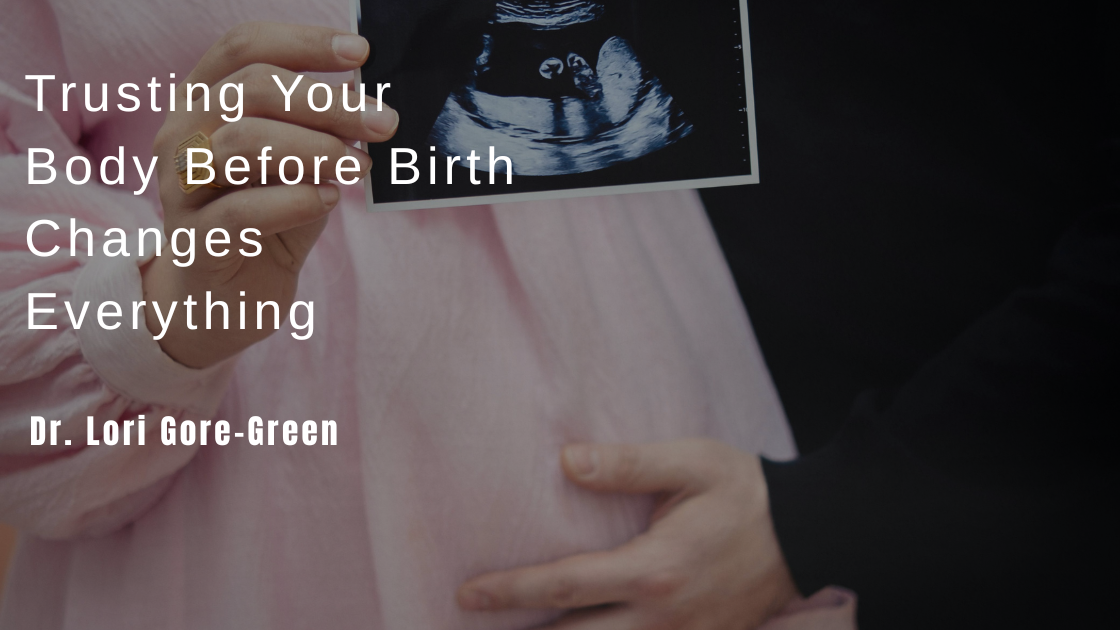
Trusting Your Body Before Birth Changes Everything

April 30, 2026 by Dr. Lori Gore-Green

Pregnancy often comes with a flood of advice—books, apps, family opinions, and medical checklists. Somewhere in all that noise, one quiet voice can get lost: your own. Learning to trust your body before birth isn’t about rejecting medical care or going it alone. It’s about building a grounded, confident connection with yourself so that when the moment arrives, you’re not overwhelmed—you’re anchored.

Because birth isn’t just something that happens to you. It’s something your body actively does.

The Confidence Gap Many Women Feel

It’s surprisingly common to feel uncertain about your body during pregnancy. You might wonder if you’ll recognize the signs of labor, handle contractions, or make the “right” decisions. Modern healthcare systems, while essential, can sometimes unintentionally shift trust outward—toward monitors, timelines, and external validation—rather than inward.

But your body has its own intelligence. The process of labor is guided by hormones, muscle memory, and biological rhythms that have existed long before modern medicine. Reconnecting with that truth can shift fear into curiosity—and eventually, into confidence.

Understanding What Your Body Is Designed to Do

Labor isn’t random or chaotic. It’s a coordinated process involving powerful physiological responses. Hormones like Oxytocin play a key role in creating contractions and fostering a sense of calm and connection. When you feel safe and supported, your body produces more of these helpful hormones, allowing labor to progress more smoothly.

On the flip side, fear and stress can trigger Cortisol, which may interfere with this process. This doesn’t mean you need to eliminate fear completely—that’s unrealistic. But understanding how your emotional state interacts with your physical experience gives you a powerful tool: awareness.

Listening Before You’re in Labor

Trust isn’t built in a single moment—it’s developed over time. During pregnancy, small practices can help you tune into your body:

Notice how it responds to rest versus activity.
Pay attention to hunger, thirst, and energy levels.
Observe how your body communicates discomfort or ease.

These everyday check-ins create familiarity. When labor begins, those signals won’t feel foreign—they’ll feel like an extension of a relationship you’ve already been building.

Reframing Pain and Sensation

One of the biggest barriers to trusting your body is fear of pain. We’re often taught to view labor pain as something to escape or endure. But many childbirth educators, including Ina May Gaskin, have long emphasized that labor sensations—while intense—serve a purpose.

Pain in this context isn’t a sign that something is wrong. It’s a signal that your body is working. Shifting your mindset from “this is hurting me” to “this is helping me” can change how you respond in the moment. It doesn’t remove intensity, but it can reduce panic and resistance, which often amplify discomfort.

Letting Go of the Need to Control Everything

Planning for birth is helpful. Expecting to control every detail is not. Birth can be unpredictable, and flexibility is part of the process. Trusting your body means accepting that while you can prepare, you don’t have to micromanage every outcome.

This trust also includes knowing when to lean on support. Medical professionals, doulas, and partners all play important roles. Trusting yourself doesn’t mean doing everything alone—it means being an active participant in your care, asking questions, and making informed choices.

Creating an Environment That Supports Trust

Your surroundings can influence how safe and relaxed you feel, which in turn affects your body’s response. Whether you’re planning to give birth in a hospital, birthing center, or at home, consider what helps you feel calm:

Soft lighting
Familiar music or sounds
Supportive, reassuring people
Freedom to move and change positions

These aren’t luxuries—they’re tools that can help your body function more effectively during labor.

The Power of Body Awareness in the Moment

When labor begins, trusting your body might look like:

Moving instinctively instead of staying still
Breathing in a way that feels natural rather than forced
Following urges to rest, vocalize, or change position

These responses aren’t random—they’re your body guiding you. The more you’ve practiced listening during pregnancy, the easier it is to follow those instincts without second-guessing.

When Things Don’t Go as Planned

Trusting your body also means recognizing when you need help. Interventions, when necessary, are not failures—they’re part of a broader system of care. Confidence doesn’t come from having a “perfect” birth; it comes from staying connected to yourself, even when plans shift.

Your strength isn’t measured by how closely your experience matches an ideal scenario. It’s measured by your ability to adapt, advocate, and stay present.

A Different Kind of Preparation

Preparing for birth often focuses on what to pack, what to expect, and what could go wrong. But one of the most valuable forms of preparation is internal: learning to believe that your body is capable.

That belief doesn’t need to be loud or unwavering. It can be quiet and steady. It can coexist with uncertainty.

Because when the time comes, trusting your body doesn’t mean having all the answers. It means knowing that you’re not disconnected from the process—you’re at the center of it.

And that shift—from doubt to trust—can change everything.

Filed Under: Dr. Lori Gore-Green, Women's Health

The Symptoms You Learned to Normalize (But Shouldn’t Have)

April 30, 2026 by Dr. Lori Gore-Green

Many women grow up learning to push through discomfort. Cramps? Normal. Exhaustion? Just part of being busy. Mood swings? Probably hormones. Over time, this quiet conditioning teaches us to downplay what our bodies are trying to say. The result? Symptoms that deserve attention become background noise.

But “common” doesn’t always mean “healthy.” And normalizing certain patterns can delay care, prolong suffering, or allow preventable issues to grow. It’s time to question what you’ve been told to ignore.

When Pain Becomes Routine

Menstrual pain is one of the most normalized experiences for women—but not all pain is created equal. Mild discomfort can be typical, but intense cramps that disrupt your daily life aren’t something you should just “deal with.” Conditions like Endometriosis or Polycystic Ovary Syndrome can hide behind what’s often dismissed as bad periods. If you’re regularly missing work, losing sleep, or relying heavily on painkillers, your body is asking for attention, not silence.

Constant Fatigue Isn’t a Personality Trait

Feeling tired after a long day is normal. Feeling drained all the time is not. Many women chalk up chronic fatigue to busy schedules, caregiving, or stress. But persistent exhaustion can signal underlying issues such as Iron-deficiency anemia, thyroid imbalances, or even sleep disorders. When rest doesn’t restore you, it’s worth digging deeper instead of pushing harder.

Digestive Issues You’ve Learned to Live With

Bloating, irregular bowel movements, or stomach discomfort often get brushed off as “just something I ate.” But ongoing digestive symptoms can point to conditions like Irritable Bowel Syndrome or food intolerances. Your gut health is deeply connected to your overall well-being—including mood, immunity, and energy levels. Ignoring it doesn’t make it go away; it just makes it harder to manage.

Mental Health Signals We Minimize

Many women are taught to be resilient, adaptable, and emotionally strong. While these are valuable traits, they can also lead to minimizing mental health struggles. Persistent anxiety, irritability, or low mood are often dismissed as “just stress” or hormonal fluctuations. However, conditions like Generalized Anxiety Disorder or Depression can quietly affect daily life, relationships, and physical health. Emotional well-being deserves the same attention as physical symptoms.

Changes in Your Cycle That Seem ‘Normal’

Irregular periods, unusually heavy bleeding, or spotting between cycles are often normalized, especially during different life stages. While some variation is expected, consistent changes can indicate hormonal imbalances, fibroids, or other reproductive health concerns. Your cycle is a vital sign—it reflects what’s happening internally. When it changes significantly, it’s worth asking why.

Pain During Everyday Activities

Pain during sex, frequent headaches, or discomfort in your lower back or pelvis can become so familiar that they feel inevitable. But pain is your body’s way of flagging that something isn’t right. Whether it’s pelvic floor dysfunction, migraines, or other underlying issues, recurring pain deserves investigation—not resignation.

Why We Normalize What We Shouldn’t

There are many reasons women learn to overlook symptoms. Cultural expectations often reward endurance and self-sacrifice. Healthcare gaps and past experiences of not being taken seriously can discourage speaking up. And sometimes, it’s simply a lack of awareness—we don’t question what we’ve always been told is normal.

But your body isn’t trying to inconvenience you. It’s trying to communicate.

Relearning What “Normal” Means

Breaking the habit of normalization starts with curiosity. Instead of brushing symptoms aside, try asking:

  • How often is this happening?
  • Is it affecting my daily life?
  • Has it changed over time?
  • Does it feel manageable—or am I just tolerating it?

Tracking your symptoms, even briefly, can reveal patterns that are easy to miss in the moment. More importantly, it gives you clearer information when you speak with a healthcare provider.

Advocating for Yourself Matters

If something feels off, trust that instinct. You don’t need to wait until symptoms become unbearable to seek help. Early conversations can lead to earlier diagnoses, simpler treatments, and better outcomes.

And if your concerns are dismissed? It’s okay to seek a second opinion. Your experience is valid, even if it doesn’t fit neatly into a checklist.

Your Body Deserves to Be Heard

Living with discomfort shouldn’t be the baseline. The goal isn’t perfection—it’s awareness. When you stop normalizing what shouldn’t be normal, you create space for better health, more energy, and a stronger connection with your body.

Because the truth is simple: just because you’ve learned to live with something doesn’t mean you have to keep living that way.

Filed Under: Dr. Lori Gore-Green, Women's Health

The Busy Woman’s Blueprint for Balanced Living

March 29, 2026 by Dr. Lori Gore-Green

Modern life asks women to wear many hats—professional, caregiver, partner, friend, and more. While fulfilling, these roles can also leave little room for rest, reflection, or self-care. The idea of “balance” may feel out of reach, like a luxury reserved for less hectic lives. But balanced living isn’t about doing less—it’s about doing what matters most, with intention and sustainability.

This blueprint is designed to help busy women create a realistic, flexible approach to living well—without burnout or overwhelm.

Redefining Balance

First, it’s important to shift how we think about balance. It doesn’t mean giving equal time and energy to every area of life every day. Instead, balance is about alignment—making sure your time, energy, and priorities reflect what truly matters to you.

Some days will be work-heavy; others may focus more on family or rest. The goal is not perfection, but awareness and adaptability.

Start with Clear Priorities

When everything feels important, it’s easy to feel stretched thin. That’s why defining your top priorities is essential. Ask yourself:

  • What are the 3–5 areas of my life that matter most right now?
  • Where do I want to invest my energy this season?

These priorities might include career growth, health, relationships, or personal development. Once identified, they become your guide for decision-making. If something doesn’t align, it may be time to reconsider or delegate.

Master the Art of Time Blocking

Time is one of your most valuable resources. Instead of reacting to your day as it unfolds, take control by planning it intentionally. Time blocking—assigning specific blocks of time to tasks—can help reduce stress and increase focus.

For example:

  • Morning: Deep work or important tasks
  • Midday: Meetings or collaboration
  • Evening: Family time or relaxation

Even small adjustments, like setting aside 30 minutes for yourself, can create a sense of structure and calm.

Protect Your Energy, Not Just Your Time

Many women focus on managing time but overlook energy. You can have a full schedule and still feel balanced—if your energy is supported.

Pay attention to what drains you and what restores you. Energy-boosting habits might include:

  • Getting enough sleep
  • Eating nourishing meals
  • Taking short breaks throughout the day
  • Moving your body regularly

Just as important is setting boundaries. Saying “no” isn’t selfish—it’s necessary. Protecting your energy allows you to show up fully in the areas that matter most.

Simplify Daily Routines

Decision fatigue is real, especially when your days are packed. Simplifying routines can free up mental space and reduce stress.

Consider creating:

  • A consistent morning routine to start your day with clarity
  • A simple meal plan to avoid last-minute decisions
  • An evening wind-down routine to improve sleep

These small systems create stability, even when life feels unpredictable.

Embrace Imperfection

One of the biggest obstacles to balanced living is the pressure to do everything perfectly. The truth is, perfection is not only unrealistic—it’s exhausting.

Some days, you’ll miss a workout, order takeout, or fall behind on a task. That’s okay. Balance includes flexibility and self-compassion. Progress matters more than perfection.

Let go of the idea that you must excel in every role at all times. You are allowed to adjust, pause, and reset.

Make Space for Yourself

In a busy life, personal time is often the first thing to disappear. But neglecting yourself eventually affects every other area of your life.

Even a few minutes a day can make a difference. Use this time to:

  • Reflect or journal
  • Practice mindfulness or meditation
  • Enjoy a hobby
  • Simply rest without distractions

This is not wasted time—it’s essential maintenance for your mental and emotional well-being.

Build a Support System

You don’t have to do everything alone. Whether it’s family, friends, or colleagues, having support can lighten your load and provide encouragement.

Delegate when possible. Ask for help when needed. And don’t underestimate the value of connection—sometimes, a simple conversation can bring clarity and relief.

Check In with Yourself Regularly

Life changes, and so do your needs. What works today may not work next month. That’s why regular self-check-ins are important.

Take a few moments each week to ask:

  • What felt good this week?
  • What felt overwhelming?
  • What needs to change moving forward?

These reflections help you stay aligned and make adjustments before burnout sets in.

Final Thoughts

Balanced living isn’t about having a perfectly organized life—it’s about creating a life that feels sustainable and fulfilling. For busy women, that means making intentional choices, protecting your energy, and allowing room for flexibility.

You don’t need more hours in the day. You need a blueprint that works for you—one that honors your priorities, supports your well-being, and evolves with your life.

Start small. Stay consistent. And remember: balance is not a destination—it’s a practice.

Filed Under: Dr. Lori Gore-Green, Women's Health

The Power of Awareness: Recognizing Subtle Symptoms in Women’s Health

March 29, 2026 by Dr. Lori Gore-Green

Women’s health is often complex, dynamic, and deeply interconnected. While some medical conditions present with clear and urgent symptoms, many others begin quietly—through subtle changes that are easy to dismiss or overlook. These small signals from the body can be early warnings, and recognizing them is one of the most powerful steps a woman can take toward protecting her long-term health.

Why Subtle Symptoms Matter

It’s common to brush off mild discomfort or changes in the body, especially when life is busy. Fatigue gets blamed on a packed schedule, mood swings on stress, and irregular cycles on temporary hormonal shifts. However, these seemingly minor symptoms can sometimes indicate underlying issues such as hormonal imbalances, thyroid disorders, reproductive health concerns, or even early stages of chronic illness.

The challenge is that women are often conditioned to “push through” discomfort. Over time, this can lead to delayed diagnoses and more complicated health outcomes. Awareness is not about fear—it’s about being informed and proactive.

Commonly Overlooked Signs

Understanding what to watch for can make a significant difference. Here are some subtle symptoms that deserve attention:

1. Persistent Fatigue
Feeling tired after a long day is normal, but ongoing exhaustion that doesn’t improve with rest could signal anemia, thyroid dysfunction, or chronic stress. If fatigue interferes with daily life, it’s worth investigating further.

2. Changes in Menstrual Cycle
Irregular periods, unusually heavy bleeding, or missed cycles are often dismissed as “just hormones.” However, these changes can be linked to conditions such as polycystic ovary syndrome (PCOS), fibroids, or hormonal imbalances.

3. Digestive Discomfort
Bloating, constipation, or abdominal pain may seem like routine digestive issues, but persistent symptoms can sometimes be associated with more serious concerns, including reproductive health conditions.

4. Mood Swings and Anxiety
Emotional health is closely tied to physical health. Sudden or severe mood changes, anxiety, or irritability may be linked to hormonal fluctuations, nutrient deficiencies, or underlying mental health conditions.

5. Unexplained Weight Changes
Gradual weight gain or loss without changes in diet or activity level may indicate thyroid issues, metabolic changes, or hormonal imbalances.

6. Pelvic Pain or Discomfort
Mild pelvic discomfort is often ignored, but recurring pain can be a sign of conditions like endometriosis or infections that require medical attention.

Listening to Your Body

Awareness begins with paying attention. Your body communicates through patterns, rhythms, and changes. Keeping track of symptoms—whether through journaling or health apps—can help identify trends and provide valuable information during medical consultations.

Ask yourself:

  • Is this symptom new or unusual for me?
  • Has it persisted longer than expected?
  • Is it affecting my daily quality of life?

If the answer to any of these is yes, it’s worth exploring further with a healthcare professional.

The Role of Preventive Care

Regular health check-ups and screenings are essential, even when you feel fine. Preventive care allows for early detection of potential issues before they become serious. Routine exams, blood tests, and screenings tailored to your age and health history can provide a clearer picture of your overall well-being.

Equally important is open communication with your doctor. Don’t hesitate to bring up concerns, even if they seem minor. What feels small to you may offer critical insight to a trained professional.

Breaking the Silence

One of the biggest barriers to awareness is silence. Many women hesitate to discuss certain symptoms—especially those related to reproductive or mental health—due to stigma or discomfort. Creating a culture of openness, whether among friends, family, or healthcare providers, can make it easier to seek help and share experiences.

When women talk openly about their health, they empower not only themselves but also others who may be experiencing similar issues.

Small Steps, Big Impact

Building awareness doesn’t require drastic changes. Simple habits can make a meaningful difference:

  • Prioritize regular check-ups
  • Maintain a balanced diet and stay active
  • Get adequate sleep
  • Manage stress through mindfulness or relaxation techniques
  • Stay informed about your body and health risks

These steps support overall wellness while also making it easier to recognize when something feels off.

Final Thoughts

The power of awareness lies in its simplicity. By tuning into your body and respecting its signals, you take an active role in your health journey. Subtle symptoms are not inconveniences to ignore—they are messages worth understanding.

Every woman deserves to feel heard, informed, and empowered when it comes to her health. Paying attention today can lead to healthier tomorrows.

Filed Under: Dr. Lori Gore-Green, Women's Health

Overcoming Fear of Labor: Building Trust in Your Body

March 2, 2026 by Dr. Lori Gore-Green

For many expectant mothers, labor is surrounded by uncertainty. Stories from friends, dramatic portrayals in media, and fear of the unknown can create anxiety long before contractions begin. While it’s completely natural to feel nervous about giving birth, fear doesn’t have to define your experience. By shifting your mindset, preparing intentionally, and reconnecting with your body’s innate wisdom, you can replace fear with confidence and trust.

Understanding Where Fear Comes From

Fear of labor often stems from three main sources: lack of knowledge, loss of control, and hearing negative birth stories. When something feels unpredictable, the mind fills in the gaps — usually with worst-case scenarios.

Recognizing your specific fears is the first step toward easing them. Are you worried about pain? Medical interventions? Not knowing when labor will start? Write your concerns down. When fears are clearly identified, they become more manageable and less overwhelming.

Reframing Labor as a Natural Process

One powerful way to reduce fear is to reframe how you view labor. Birth is not an illness or emergency by default — it is a physiological process the body is designed to perform. For generations, women have given birth using the strength and intelligence built into their bodies.

Instead of seeing contractions as something to fight against, consider them purposeful waves that help bring your baby closer to you. Each surge has a role. When you understand that labor is working with you, not against you, it becomes easier to approach it with calm rather than resistance.

Educate Yourself with Balanced Information

Knowledge replaces fear with understanding. Consider attending childbirth education classes, reading evidence-based resources, or speaking openly with your care provider about what to expect.

Learn about:

  • The stages of labor

  • Common sensations during contractions

  • Comfort techniques and positioning options

  • The role of movement and breathing

  • What typically happens at your birth setting

When you know what is normal, unexpected sensations feel less alarming. Education empowers you to make informed choices and participate actively in your birth experience.

Practice Relaxation Before Labor Begins

Trust in your body grows when you practice calming techniques during pregnancy. Relaxation is a skill — and like any skill, it improves with repetition.

Incorporate practices such as:

  • Slow, intentional breathing

  • Visualization of a smooth birth

  • Prenatal yoga or stretching

  • Guided meditation

  • Listening to calming music

When labor begins, your body will recognize these tools. Instead of defaulting to tension, you’ll be more likely to respond with relaxation.

Release the Need for Total Control

One of the most challenging aspects of labor is its unpredictability. While preparation is important, birth does not follow a strict script. Building trust means accepting flexibility.

Rather than aiming for a “perfect” birth, focus on creating preferences while remaining open to adjustments. Trust grows when you believe you can handle whatever unfolds, even if it looks different than expected.

You may not control every detail, but you can control how you respond — with steadiness, adaptability, and self-compassion.

Surround Yourself with Positive Support

The people around you during pregnancy and labor can greatly influence your mindset. Choose individuals who encourage confidence rather than fear.

Share your birth vision with:

  • Your partner

  • A close friend or family member

  • A birth professional

  • A trusted healthcare provider

Discuss how they can support you — whether through affirmations, physical comfort measures, or simply calm presence. Feeling supported helps your body relax, and relaxation allows labor to progress more smoothly.

Change the Narrative You Consume

If you’ve primarily heard frightening birth stories, consider seeking out positive ones. Many women describe labor as intense but empowering. Listening to calm, realistic birth experiences can reshape your expectations.

The brain responds strongly to repetition. When you fill your mind with images of strength and resilience instead of fear, your outlook naturally shifts.

Connect with Your Body Daily

Building trust in your body doesn’t start in labor — it begins during pregnancy. Spend time noticing your body’s strength and adaptability.

Your body is:

  • Growing and nourishing a baby

  • Adjusting posture and balance

  • Expanding to create space

  • Regulating complex systems without conscious effort

Take moments each day to acknowledge this incredible capability. Gentle touch, affirmations, or simply placing your hands on your belly can strengthen the mind-body connection.

Use Affirmations to Reinforce Confidence

Affirmations may feel simple, but repeated positive statements can influence your mindset. Try phrases like:

  • “My body knows how to give birth.”

  • “Each contraction brings me closer to meeting my baby.”

  • “I am strong and capable.”

  • “I trust the process.”

Repeat them during quiet moments now so they come naturally when labor begins.

Focus on the Purpose

Labor has a clear and powerful purpose: bringing your baby into your arms. When sensations intensify, remembering the outcome can provide motivation and emotional grounding.

Visualize the moment you meet your baby. Picture holding them, hearing their first sounds, and feeling the relief and joy afterward. Anchoring yourself to that purpose can help you move through challenging moments with determination.

Final Thoughts

Fear of labor is understandable — but it does not have to control your birth experience. By educating yourself, practicing relaxation, building a strong support system, and reconnecting with your body’s natural strength, you can shift from anxiety to empowerment.

Your body was designed with remarkable intelligence. It has carried you through every stage of life so far. Trust that it is capable of guiding you through this one too.

Labor is not just a physical event — it is a transformative journey. And when you approach it with confidence and trust, it can become one of the most powerful experiences of your life.

Filed Under: Dr. Lori Gore-Green, Women's Health

Managing Pregnancy Anxiety: Tips for Emotional Well-Being

March 2, 2026 by Dr. Lori Gore-Green

Pregnancy is often described as one of the most joyful seasons of life. Yet for many women, it is also a time filled with uncertainty, vulnerability, and anxiety. Physical changes, hormonal shifts, lifestyle adjustments, and concerns about labor, parenting, and the baby’s health can feel overwhelming. If you’re experiencing anxiety during pregnancy, you are not alone — and you are not failing. Emotional well-being is just as important as physical health during this transformative journey.

Below are practical, compassionate strategies to help manage pregnancy anxiety and cultivate a calmer, more grounded experience.


1. Acknowledge Your Feelings Without Judgment

The first step in managing anxiety is recognizing it. Many expectant mothers feel guilty for worrying during what is “supposed” to be a happy time. But emotions are not right or wrong — they are signals.

Ask yourself:

  • What specifically am I worried about?

  • Is this fear based on facts, assumptions, or past experiences?

  • What would I say to a friend feeling this way?

Journaling can be especially helpful. Writing down anxious thoughts often reduces their intensity and helps you identify patterns or triggers.


2. Limit Information Overload

We live in an era of constant information. While access to knowledge can be empowering, too much exposure — especially to worst-case scenarios online — can heighten anxiety.

Try these boundaries:

  • Choose one or two trusted medical sources.

  • Avoid late-night internet searches.

  • Limit time in online forums if they increase fear rather than reassurance.

Remember: every pregnancy is unique. Reading about rare complications does not make them more likely to happen to you.


3. Prioritize Gentle Movement

Exercise during pregnancy, when approved by your healthcare provider, can significantly reduce anxiety. Movement releases endorphins, improves sleep, and reconnects you with your body in a positive way.

Consider:

  • Prenatal yoga

  • Walking outdoors

  • Swimming

  • Light stretching routines

Even 20 minutes of gentle movement can calm racing thoughts and restore emotional balance.


4. Practice Mindful Breathing

Anxiety often shows up physically — rapid heartbeat, tight chest, shallow breathing. Slowing your breath signals safety to your nervous system.

Try this simple technique:

  1. Inhale slowly for 4 counts.

  2. Hold for 4 counts.

  3. Exhale for 6 counts.

  4. Repeat for 2–3 minutes.

This can be especially helpful before prenatal appointments, bedtime, or whenever worries begin to spiral.


5. Build a Support Circle

You don’t have to carry anxiety alone. Share your concerns with:

  • Your partner

  • A trusted friend or family member

  • Your midwife or OB provider

  • A therapist experienced in perinatal mental health

Sometimes anxiety decreases simply by being heard. Professional counseling can also provide tools to manage intrusive thoughts or persistent worry.


6. Focus on What You Can Control

Pregnancy involves many unknowns. While you can’t control every outcome, you can influence daily habits that support your well-being.

Shift your focus to:

  • Eating nourishing meals

  • Staying hydrated

  • Attending prenatal appointments

  • Getting adequate rest

  • Preparing a birth plan (while staying flexible)

Small, consistent actions build confidence and reduce feelings of helplessness.


7. Strengthen Your Birth Confidence

Fear of labor and delivery is common. Education can transform fear into empowerment. Consider:

  • Taking childbirth education classes

  • Discussing your birth preferences with your provider

  • Learning pain management techniques

  • Reading positive birth stories

Understanding the physiological process of birth often reduces anxiety and increases trust in your body’s capabilities.


8. Create a Calming Daily Ritual

A simple daily ritual can anchor your emotions. This might include:

  • Morning gratitude journaling

  • Evening herbal tea and reflection time

  • Listening to calming music

  • Reading affirmations aloud

Consistency builds emotional resilience. Even 10 quiet minutes per day can create a sense of stability amid change.


9. Watch for Signs of Perinatal Anxiety Disorders

Occasional worry is normal. However, persistent anxiety that interferes with sleep, appetite, or daily functioning may signal a perinatal anxiety disorder.

Seek professional help if you notice:

  • Constant intrusive thoughts

  • Panic attacks

  • Excessive reassurance-seeking

  • Inability to relax at any time

Treatment options — including therapy and, in some cases, medication — are safe and effective during pregnancy. Early support benefits both mother and baby.


10. Practice Self-Compassion

Perhaps the most powerful tool for emotional well-being is self-compassion. Pregnancy asks a great deal of your body and mind. You are growing a human being — that alone is extraordinary.

Instead of striving to feel calm all the time, aim to respond gently when anxiety appears. Speak to yourself with kindness. Rest when you need to. Ask for help without apology.


A Final Thought

Pregnancy anxiety does not define your motherhood. It reflects how deeply you care. With awareness, support, and intentional self-care, you can navigate this season with greater confidence and peace.

Emotional well-being is not about eliminating worry entirely — it’s about building tools to move through it. As you prepare to welcome new life, remember to nurture your own heart and mind along the way.

create without mentioning any medicine or medication anything related. create only generic blog

Managing Pregnancy Anxiety: Tips for Emotional Well-Being

Pregnancy is a powerful and life-changing journey. Along with excitement and anticipation, it can also bring moments of worry and uncertainty. Concerns about your baby’s health, upcoming labor, body changes, or the transition into parenthood are completely natural. Managing pregnancy anxiety isn’t about eliminating worry altogether — it’s about developing healthy ways to respond to it so you can feel more grounded and supported.

Here are practical, gentle strategies to help you protect your emotional well-being during pregnancy.


Acknowledge That Anxiety Is Normal

First, give yourself permission to feel what you’re feeling. Pregnancy involves physical, hormonal, and lifestyle changes that can heighten emotions. Rather than judging yourself for feeling anxious, recognize it as a sign that you care deeply about your growing baby and your future as a parent.

When anxious thoughts arise, try naming them:
“I’m feeling worried about the delivery.”
“I’m feeling uncertain about being prepared.”

Labeling emotions can reduce their intensity and help you feel more in control.


Limit Overexposure to Information

While it’s helpful to be informed, too much information can quickly become overwhelming. Constantly searching online or reading worst-case stories may increase fear rather than ease it.

Choose a few trusted sources for pregnancy guidance and avoid late-night research sessions. If certain conversations or social media accounts trigger anxiety, give yourself permission to step back. Protecting your peace is part of prenatal care.


Establish a Calming Daily Routine

Structure creates a sense of safety. Building small daily rituals into your routine can stabilize emotions and provide something steady to rely on.

Simple calming practices include:

  • A short morning gratitude journal

  • Gentle stretching before bed

  • Listening to soothing music

  • Reading a few pages of an uplifting book

  • Spending quiet time outdoors

Consistency matters more than length. Even 10 minutes a day can make a noticeable difference.


Practice Mindful Breathing

Anxiety often shows up physically — tight shoulders, shallow breathing, racing thoughts. Deep breathing signals your body to relax.

Try this simple exercise:

  • Inhale slowly for four counts

  • Pause briefly

  • Exhale slowly for six counts

  • Repeat for a few minutes

You can practice this while lying in bed, sitting in your car, or waiting for an appointment. It’s a portable tool you can use anytime.


Stay Connected to Your Body in Positive Ways

Pregnancy transforms your body, and that transformation can feel unfamiliar. Gentle movement can help you reconnect in a positive, empowering way.

Consider:

  • Walking outdoors

  • Prenatal yoga

  • Light stretching

  • Relaxed swimming

Movement releases tension and encourages emotional balance. Always move in ways that feel comfortable and supportive for your body.


Focus on What You Can Control

Much of pregnancy involves uncertainty. Instead of dwelling on unknowns, shift your attention to daily actions within your control.

You can:

  • Nourish your body with balanced meals

  • Stay hydrated

  • Rest when you’re tired

  • Prepare your home gradually

  • Create a flexible birth preferences plan

Small, consistent steps build confidence and reduce feelings of helplessness.


Talk About Your Fears

Anxiety often grows in silence. Sharing your concerns with a partner, friend, family member, or trusted birth professional can lighten the emotional load.

Sometimes you don’t need solutions — you just need to feel heard. Honest conversations can normalize your experience and remind you that you’re not alone in your worries.


Reduce “What If” Thinking

Pregnancy anxiety often centers on “what if” thoughts.
“What if something goes wrong?”
“What if I’m not ready?”

When you notice this pattern, gently redirect your thoughts toward the present moment. Ask yourself:

  • What is true right now?

  • What evidence supports this fear?

  • What is going well today?

Grounding yourself in the present helps prevent your mind from spiraling into imagined futures.


Prepare for Birth With Confidence

Fear of labor is common. Learning about the birth process, exploring comfort techniques, and discussing your preferences with your care team can replace fear with understanding.

Education builds trust — trust in your body, trust in your preparation, and trust in your support system. Confidence grows when you feel informed and empowered.


Prioritize Rest and Boundaries

Pregnancy requires energy — physically and emotionally. Protect your rest and set gentle boundaries when needed.

It’s okay to:

  • Decline events when you’re tired

  • Ask for help with household tasks

  • Take breaks from stressful conversations

  • Limit time around negativity

Your well-being matters.


Cultivate Self-Compassion

Above all, treat yourself with kindness. You are navigating change on multiple levels at once. Some days will feel calm and joyful; others may feel uncertain. Both are part of the journey.

Instead of striving for constant peace, aim for compassionate awareness. Speak to yourself as you would to a dear friend. Celebrate small victories. Acknowledge your strength.


Final Thoughts

Pregnancy anxiety does not mean you are unprepared or incapable. It means you care deeply about this new life and the responsibility ahead. With supportive habits, honest conversations, and gentle self-care, you can move through worry with greater steadiness.

Emotional well-being during pregnancy isn’t about perfection — it’s about presence. And by caring for your own heart and mind, you are already caring for your baby in a powerful way.

Filed Under: Dr. Lori Gore-Green, Women's Health Tagged With: doctor, OB/GYN, Obstetrics, physician, pregnancy, Pregnant, women, Women's Health

Next Page »

RSS Medical News

  • GLP-1s and Alcohol Use Disorder; No Luck With Gonorrhea Vaccine
  • Restrictions on Physician-Owned Hospitals are Justified
  • This Year's Ebola Outbreak Has Spread Faster Than the Worst on Record
  • Study Links GLP-1s to Lower Risk of Fragility Fractures in Diabetes Patients
  • Branded Bevacizumab Approved for Wet AMD
  • FDA Panel Finds a Peptide It Doesn't Like
  • New Avacopan Analysis Sent to FDA After Data Manipulation Allegations
  • FDA Approves Tylenol With Naproxen Combination

Dr. Lori Gore-Green: Links

  • Dr. Lori Gore-Green | Gynecology and Obstetrics
  • Dr. Lori Gore-Green |Community Service
  • Dr. Lori Gore-Green Community Service
  • Info

Return to top of page

Copyright © About Dr. Lori Gore-Green ·