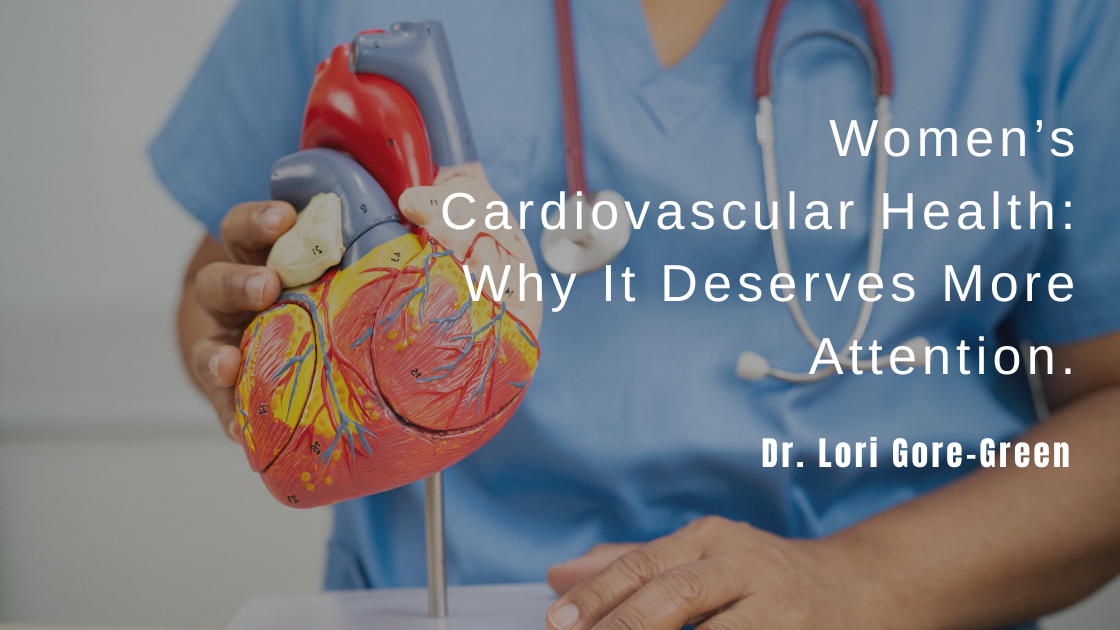
Heart disease is often thought of as a “men’s health issue,” but it is actually the leading cause of death among women worldwide. Despite this reality, women’s cardiovascular health remains underrecognized, underdiagnosed, and undertreated. Greater awareness, education, and preventive care are essential to improving outcomes and saving lives.
Why Heart Disease in Women Is Often Overlooked
One major reason women’s cardiovascular health receives less attention is the misconception that heart disease primarily affects men. Symptoms in women can also look different from the classic chest pain often portrayed in media. Women may experience fatigue, shortness of breath, nausea, dizziness, jaw pain, or back pain—symptoms that are sometimes dismissed as stress, anxiety, or minor illness.
Additionally, women tend to develop heart disease later in life, often after menopause, when protective estrogen levels decline. This delayed onset can lead to missed opportunities for early prevention. Social factors, caregiving responsibilities, and limited access to healthcare can further delay diagnosis and treatment, especially in underserved communities.
Unique Risk Factors Affecting Women’s Heart Health
While traditional risk factors like high blood pressure, high cholesterol, diabetes, smoking, and obesity affect everyone, women face additional risks related to their reproductive and hormonal health. Conditions such as pregnancy-related high blood pressure, preeclampsia, gestational diabetes, and early menopause significantly increase long-term cardiovascular risk.
Autoimmune diseases, which are more common in women, also contribute to higher rates of heart disease. Mental health plays a role as well—chronic stress, depression, and anxiety are strongly linked to poor cardiovascular outcomes in women. These overlapping factors highlight the importance of a holistic, women-centered approach to heart health.
The Importance of Prevention and Early Intervention
The good news is that heart disease is largely preventable. Regular health screenings, including blood pressure, cholesterol, blood sugar, and weight assessments, are critical. Women should also discuss their reproductive history with healthcare providers, as it can offer important clues about future cardiovascular risk.
Lifestyle changes play a powerful role in prevention. A balanced diet, regular physical activity, stress management, adequate sleep, and avoiding tobacco can significantly reduce risk. Equally important is patient education—when women understand their risk and recognize early warning signs, they are more likely to seek timely care.
Healthcare providers, especially those involved in women’s health such as OB/GYNs and primary care clinicians, are uniquely positioned to integrate cardiovascular screening into routine visits. Early conversations and preventive strategies can make a lifelong difference.
Moving Forward: Prioritizing Women’s Heart Health
Improving women’s cardiovascular health requires awareness at every level—from individuals and families to healthcare systems and public health initiatives. By recognizing that heart disease affects women differently and addressing those differences through education, prevention, and personalized care, we can close existing gaps and improve outcomes.
Women’s heart health deserves attention not just during illness, but throughout every stage of life. Prioritizing it today means healthier futures for generations to come.