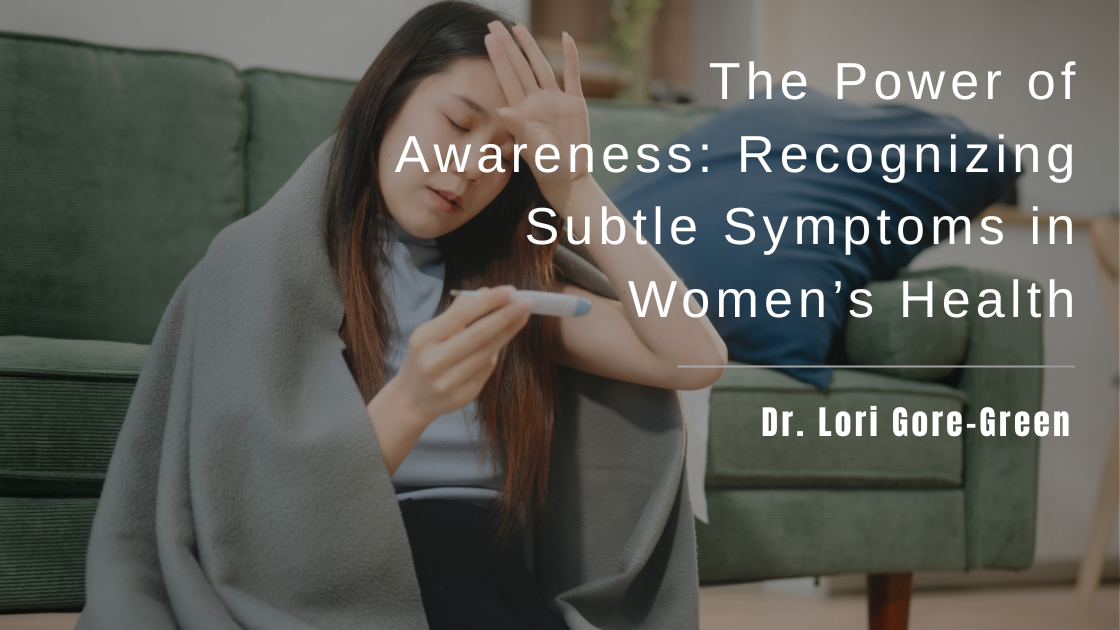
Women’s health is often complex, dynamic, and deeply interconnected. While some medical conditions present with clear and urgent symptoms, many others begin quietly—through subtle changes that are easy to dismiss or overlook. These small signals from the body can be early warnings, and recognizing them is one of the most powerful steps a woman can take toward protecting her long-term health.
Why Subtle Symptoms Matter
It’s common to brush off mild discomfort or changes in the body, especially when life is busy. Fatigue gets blamed on a packed schedule, mood swings on stress, and irregular cycles on temporary hormonal shifts. However, these seemingly minor symptoms can sometimes indicate underlying issues such as hormonal imbalances, thyroid disorders, reproductive health concerns, or even early stages of chronic illness.
The challenge is that women are often conditioned to “push through” discomfort. Over time, this can lead to delayed diagnoses and more complicated health outcomes. Awareness is not about fear—it’s about being informed and proactive.
Commonly Overlooked Signs
Understanding what to watch for can make a significant difference. Here are some subtle symptoms that deserve attention:
1. Persistent Fatigue
Feeling tired after a long day is normal, but ongoing exhaustion that doesn’t improve with rest could signal anemia, thyroid dysfunction, or chronic stress. If fatigue interferes with daily life, it’s worth investigating further.
2. Changes in Menstrual Cycle
Irregular periods, unusually heavy bleeding, or missed cycles are often dismissed as “just hormones.” However, these changes can be linked to conditions such as polycystic ovary syndrome (PCOS), fibroids, or hormonal imbalances.
3. Digestive Discomfort
Bloating, constipation, or abdominal pain may seem like routine digestive issues, but persistent symptoms can sometimes be associated with more serious concerns, including reproductive health conditions.
4. Mood Swings and Anxiety
Emotional health is closely tied to physical health. Sudden or severe mood changes, anxiety, or irritability may be linked to hormonal fluctuations, nutrient deficiencies, or underlying mental health conditions.
5. Unexplained Weight Changes
Gradual weight gain or loss without changes in diet or activity level may indicate thyroid issues, metabolic changes, or hormonal imbalances.
6. Pelvic Pain or Discomfort
Mild pelvic discomfort is often ignored, but recurring pain can be a sign of conditions like endometriosis or infections that require medical attention.
Listening to Your Body
Awareness begins with paying attention. Your body communicates through patterns, rhythms, and changes. Keeping track of symptoms—whether through journaling or health apps—can help identify trends and provide valuable information during medical consultations.
Ask yourself:
- Is this symptom new or unusual for me?
- Has it persisted longer than expected?
- Is it affecting my daily quality of life?
If the answer to any of these is yes, it’s worth exploring further with a healthcare professional.
The Role of Preventive Care
Regular health check-ups and screenings are essential, even when you feel fine. Preventive care allows for early detection of potential issues before they become serious. Routine exams, blood tests, and screenings tailored to your age and health history can provide a clearer picture of your overall well-being.
Equally important is open communication with your doctor. Don’t hesitate to bring up concerns, even if they seem minor. What feels small to you may offer critical insight to a trained professional.
Breaking the Silence
One of the biggest barriers to awareness is silence. Many women hesitate to discuss certain symptoms—especially those related to reproductive or mental health—due to stigma or discomfort. Creating a culture of openness, whether among friends, family, or healthcare providers, can make it easier to seek help and share experiences.
When women talk openly about their health, they empower not only themselves but also others who may be experiencing similar issues.
Small Steps, Big Impact
Building awareness doesn’t require drastic changes. Simple habits can make a meaningful difference:
- Prioritize regular check-ups
- Maintain a balanced diet and stay active
- Get adequate sleep
- Manage stress through mindfulness or relaxation techniques
- Stay informed about your body and health risks
These steps support overall wellness while also making it easier to recognize when something feels off.
Final Thoughts
The power of awareness lies in its simplicity. By tuning into your body and respecting its signals, you take an active role in your health journey. Subtle symptoms are not inconveniences to ignore—they are messages worth understanding.
Every woman deserves to feel heard, informed, and empowered when it comes to her health. Paying attention today can lead to healthier tomorrows.