Dr. Lori Gore-Green | Women's Health Professional

Dr. Lori Gore-Green's Portfolio of Experience as a Women's Health Professional

  • Dr. Lori Gore-Green’s Biography
  • Texas Health Presbyterian Hospital
  • Dr. Lori Gore-Green Blog
  • Contact
  • Presentations by Dr. Lori Gore-Green
  • Multimedia

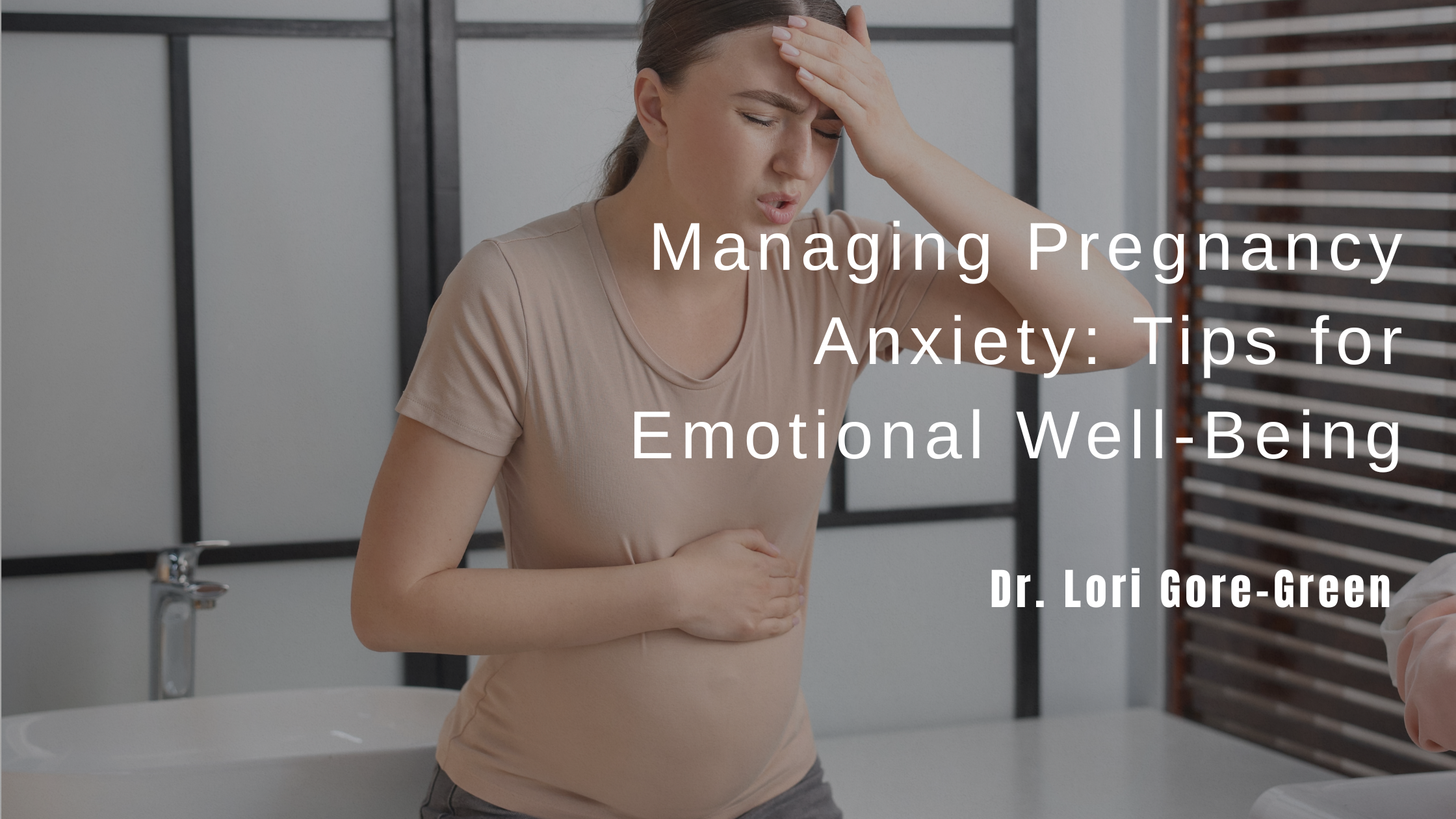
Managing Pregnancy Anxiety: Tips for Emotional Well-Being

March 2, 2026 by Dr. Lori Gore-Green

Pregnancy is often described as one of the most joyful seasons of life. Yet for many women, it is also a time filled with uncertainty, vulnerability, and anxiety. Physical changes, hormonal shifts, lifestyle adjustments, and concerns about labor, parenting, and the baby’s health can feel overwhelming. If you’re experiencing anxiety during pregnancy, you are not alone — and you are not failing. Emotional well-being is just as important as physical health during this transformative journey.

Below are practical, compassionate strategies to help manage pregnancy anxiety and cultivate a calmer, more grounded experience.


1. Acknowledge Your Feelings Without Judgment

The first step in managing anxiety is recognizing it. Many expectant mothers feel guilty for worrying during what is “supposed” to be a happy time. But emotions are not right or wrong — they are signals.

Ask yourself:

  • What specifically am I worried about?

  • Is this fear based on facts, assumptions, or past experiences?

  • What would I say to a friend feeling this way?

Journaling can be especially helpful. Writing down anxious thoughts often reduces their intensity and helps you identify patterns or triggers.


2. Limit Information Overload

We live in an era of constant information. While access to knowledge can be empowering, too much exposure — especially to worst-case scenarios online — can heighten anxiety.

Try these boundaries:

  • Choose one or two trusted medical sources.

  • Avoid late-night internet searches.

  • Limit time in online forums if they increase fear rather than reassurance.

Remember: every pregnancy is unique. Reading about rare complications does not make them more likely to happen to you.


3. Prioritize Gentle Movement

Exercise during pregnancy, when approved by your healthcare provider, can significantly reduce anxiety. Movement releases endorphins, improves sleep, and reconnects you with your body in a positive way.

Consider:

  • Prenatal yoga

  • Walking outdoors

  • Swimming

  • Light stretching routines

Even 20 minutes of gentle movement can calm racing thoughts and restore emotional balance.


4. Practice Mindful Breathing

Anxiety often shows up physically — rapid heartbeat, tight chest, shallow breathing. Slowing your breath signals safety to your nervous system.

Try this simple technique:

  1. Inhale slowly for 4 counts.

  2. Hold for 4 counts.

  3. Exhale for 6 counts.

  4. Repeat for 2–3 minutes.

This can be especially helpful before prenatal appointments, bedtime, or whenever worries begin to spiral.


5. Build a Support Circle

You don’t have to carry anxiety alone. Share your concerns with:

  • Your partner

  • A trusted friend or family member

  • Your midwife or OB provider

  • A therapist experienced in perinatal mental health

Sometimes anxiety decreases simply by being heard. Professional counseling can also provide tools to manage intrusive thoughts or persistent worry.


6. Focus on What You Can Control

Pregnancy involves many unknowns. While you can’t control every outcome, you can influence daily habits that support your well-being.

Shift your focus to:

  • Eating nourishing meals

  • Staying hydrated

  • Attending prenatal appointments

  • Getting adequate rest

  • Preparing a birth plan (while staying flexible)

Small, consistent actions build confidence and reduce feelings of helplessness.


7. Strengthen Your Birth Confidence

Fear of labor and delivery is common. Education can transform fear into empowerment. Consider:

  • Taking childbirth education classes

  • Discussing your birth preferences with your provider

  • Learning pain management techniques

  • Reading positive birth stories

Understanding the physiological process of birth often reduces anxiety and increases trust in your body’s capabilities.


8. Create a Calming Daily Ritual

A simple daily ritual can anchor your emotions. This might include:

  • Morning gratitude journaling

  • Evening herbal tea and reflection time

  • Listening to calming music

  • Reading affirmations aloud

Consistency builds emotional resilience. Even 10 quiet minutes per day can create a sense of stability amid change.


9. Watch for Signs of Perinatal Anxiety Disorders

Occasional worry is normal. However, persistent anxiety that interferes with sleep, appetite, or daily functioning may signal a perinatal anxiety disorder.

Seek professional help if you notice:

  • Constant intrusive thoughts

  • Panic attacks

  • Excessive reassurance-seeking

  • Inability to relax at any time

Treatment options — including therapy and, in some cases, medication — are safe and effective during pregnancy. Early support benefits both mother and baby.


10. Practice Self-Compassion

Perhaps the most powerful tool for emotional well-being is self-compassion. Pregnancy asks a great deal of your body and mind. You are growing a human being — that alone is extraordinary.

Instead of striving to feel calm all the time, aim to respond gently when anxiety appears. Speak to yourself with kindness. Rest when you need to. Ask for help without apology.


A Final Thought

Pregnancy anxiety does not define your motherhood. It reflects how deeply you care. With awareness, support, and intentional self-care, you can navigate this season with greater confidence and peace.

Emotional well-being is not about eliminating worry entirely — it’s about building tools to move through it. As you prepare to welcome new life, remember to nurture your own heart and mind along the way.

create without mentioning any medicine or medication anything related. create only generic blog

Managing Pregnancy Anxiety: Tips for Emotional Well-Being

Pregnancy is a powerful and life-changing journey. Along with excitement and anticipation, it can also bring moments of worry and uncertainty. Concerns about your baby’s health, upcoming labor, body changes, or the transition into parenthood are completely natural. Managing pregnancy anxiety isn’t about eliminating worry altogether — it’s about developing healthy ways to respond to it so you can feel more grounded and supported.

Here are practical, gentle strategies to help you protect your emotional well-being during pregnancy.


Acknowledge That Anxiety Is Normal

First, give yourself permission to feel what you’re feeling. Pregnancy involves physical, hormonal, and lifestyle changes that can heighten emotions. Rather than judging yourself for feeling anxious, recognize it as a sign that you care deeply about your growing baby and your future as a parent.

When anxious thoughts arise, try naming them:
“I’m feeling worried about the delivery.”
“I’m feeling uncertain about being prepared.”

Labeling emotions can reduce their intensity and help you feel more in control.


Limit Overexposure to Information

While it’s helpful to be informed, too much information can quickly become overwhelming. Constantly searching online or reading worst-case stories may increase fear rather than ease it.

Choose a few trusted sources for pregnancy guidance and avoid late-night research sessions. If certain conversations or social media accounts trigger anxiety, give yourself permission to step back. Protecting your peace is part of prenatal care.


Establish a Calming Daily Routine

Structure creates a sense of safety. Building small daily rituals into your routine can stabilize emotions and provide something steady to rely on.

Simple calming practices include:

  • A short morning gratitude journal

  • Gentle stretching before bed

  • Listening to soothing music

  • Reading a few pages of an uplifting book

  • Spending quiet time outdoors

Consistency matters more than length. Even 10 minutes a day can make a noticeable difference.


Practice Mindful Breathing

Anxiety often shows up physically — tight shoulders, shallow breathing, racing thoughts. Deep breathing signals your body to relax.

Try this simple exercise:

  • Inhale slowly for four counts

  • Pause briefly

  • Exhale slowly for six counts

  • Repeat for a few minutes

You can practice this while lying in bed, sitting in your car, or waiting for an appointment. It’s a portable tool you can use anytime.


Stay Connected to Your Body in Positive Ways

Pregnancy transforms your body, and that transformation can feel unfamiliar. Gentle movement can help you reconnect in a positive, empowering way.

Consider:

  • Walking outdoors

  • Prenatal yoga

  • Light stretching

  • Relaxed swimming

Movement releases tension and encourages emotional balance. Always move in ways that feel comfortable and supportive for your body.


Focus on What You Can Control

Much of pregnancy involves uncertainty. Instead of dwelling on unknowns, shift your attention to daily actions within your control.

You can:

  • Nourish your body with balanced meals

  • Stay hydrated

  • Rest when you’re tired

  • Prepare your home gradually

  • Create a flexible birth preferences plan

Small, consistent steps build confidence and reduce feelings of helplessness.


Talk About Your Fears

Anxiety often grows in silence. Sharing your concerns with a partner, friend, family member, or trusted birth professional can lighten the emotional load.

Sometimes you don’t need solutions — you just need to feel heard. Honest conversations can normalize your experience and remind you that you’re not alone in your worries.


Reduce “What If” Thinking

Pregnancy anxiety often centers on “what if” thoughts.
“What if something goes wrong?”
“What if I’m not ready?”

When you notice this pattern, gently redirect your thoughts toward the present moment. Ask yourself:

  • What is true right now?

  • What evidence supports this fear?

  • What is going well today?

Grounding yourself in the present helps prevent your mind from spiraling into imagined futures.


Prepare for Birth With Confidence

Fear of labor is common. Learning about the birth process, exploring comfort techniques, and discussing your preferences with your care team can replace fear with understanding.

Education builds trust — trust in your body, trust in your preparation, and trust in your support system. Confidence grows when you feel informed and empowered.


Prioritize Rest and Boundaries

Pregnancy requires energy — physically and emotionally. Protect your rest and set gentle boundaries when needed.

It’s okay to:

  • Decline events when you’re tired

  • Ask for help with household tasks

  • Take breaks from stressful conversations

  • Limit time around negativity

Your well-being matters.


Cultivate Self-Compassion

Above all, treat yourself with kindness. You are navigating change on multiple levels at once. Some days will feel calm and joyful; others may feel uncertain. Both are part of the journey.

Instead of striving for constant peace, aim for compassionate awareness. Speak to yourself as you would to a dear friend. Celebrate small victories. Acknowledge your strength.


Final Thoughts

Pregnancy anxiety does not mean you are unprepared or incapable. It means you care deeply about this new life and the responsibility ahead. With supportive habits, honest conversations, and gentle self-care, you can move through worry with greater steadiness.

Emotional well-being during pregnancy isn’t about perfection — it’s about presence. And by caring for your own heart and mind, you are already caring for your baby in a powerful way.

Filed Under: Dr. Lori Gore-Green, Women's Health Tagged With: doctor, OB/GYN, Obstetrics, physician, pregnancy, Pregnant, women, Women's Health

Emotional Well-Being: Managing Stress and Anxiety While Pregnant

February 7, 2025 by Dr. Lori Gore-Green

Pregnancy is often described as one of the most exciting and transformative times in a person’s life. However, it can also bring stress and anxiety, which may arise from physical changes, health concerns, or anticipation of the responsibilities that come with parenthood. Maintaining emotional well-being during pregnancy is crucial, not only for the expectant parent but also for the baby’s development. This article explores strategies for managing stress and anxiety effectively during pregnancy.

Understanding Pregnancy-Related Stress

Pregnancy-related stress can stem from various sources, including hormonal fluctuations, financial concerns, work demands, or fears about childbirth. These stressors, if not addressed, may lead to anxiety or impact physical health. Understanding the triggers and normalizing these feelings are the first steps toward emotional balance.

Building a Support Network

Having a strong support network is essential for navigating the emotional ups and downs of pregnancy. Reach out to friends, family members, or support groups who can offer encouragement and understanding. Sharing your feelings with others can alleviate emotional burdens and foster a sense of connection. Additionally, involving your partner or a trusted birth companion in your journey can provide an invaluable source of comfort.

Practicing Relaxation Techniques

Relaxation techniques can help calm the mind and reduce stress levels. Practices such as deep breathing, meditation, or prenatal yoga can promote relaxation and improve overall well-being. Deep breathing exercises, in particular, are simple and can be done anywhere. Spending even a few minutes focusing on your breath can significantly lower anxiety and create a sense of peace.

Maintaining Physical Health

Physical health and emotional well-being are closely interconnected. Regular exercise, tailored to your stage of pregnancy and approved by a healthcare provider, can help reduce stress and boost mood. Walking, swimming, or gentle stretching can release endorphins, which are natural stress relievers. Adequate sleep and a balanced diet also play a vital role in managing emotional health, providing the energy and stability needed to cope with daily challenges.

Setting Realistic Expectations

During pregnancy, it’s important to recognize your limits and avoid overloading yourself with tasks. Setting realistic expectations about work, household responsibilities, and social obligations can prevent feelings of being overwhelmed. Don’t hesitate to delegate tasks or ask for help when needed. Remember, it’s okay to prioritize self-care during this time.

Seeking Professional Help

If stress and anxiety become overwhelming, seeking help from a professional counselor or therapist can make a significant difference. Prenatal counseling can provide tools to manage emotions and develop coping strategies. For those experiencing severe anxiety or depression, healthcare providers may recommend additional interventions, including therapy or medication tailored to pregnancy.

Engaging in Positive Activities

Engaging in activities that bring joy can serve as an effective stress reliever. Whether it’s reading a book, listening to music, or pursuing a hobby, finding time for enjoyable activities can help shift focus away from stressors. Bonding with your baby by talking, singing, or gently stroking your belly can also enhance emotional well-being and strengthen your connection.

Managing stress and anxiety during pregnancy is an essential part of fostering a healthy environment for both the parent and the baby. By building a strong support network, practicing relaxation techniques, maintaining physical health, and seeking professional help when necessary, expectant parents can navigate the emotional challenges of pregnancy with resilience. Embracing this journey with mindfulness and self-compassion can lead to a more positive and fulfilling experience.

Filed Under: Dr. Lori Gore-Green, Women's Health Tagged With: Anxiety, Dr. Lori Gore-Green, pregnancy, Pregnant, Stress, women, Women's Health

Self-Care During Pregnancy: Prioritizing Your Health and Well-Being

December 4, 2024 by Dr. Lori Gore-Green

Pregnancy is a time to focus on self-care, as your health directly impacts your growing baby. By nurturing yourself physically and emotionally, you set the stage for a healthy pregnancy and a smooth transition into parenthood.

Nutrition: Eating for Two

While it’s common to hear the phrase “eating for two,” pregnancy doesn’t mean doubling your calorie intake. Instead, focus on consuming nutrient-rich foods like lean proteins, whole grains, fruits, vegetables, and dairy.

Key nutrients include:

  • Folic Acid: Crucial for preventing neural tube defects.
  • Iron: Supports increased blood volume and oxygen transport.
  • Calcium: Builds strong bones and teeth for the baby.
  • Omega-3 Fatty Acids: Promote brain and eye development.

Staying hydrated is equally important, as it aids in nutrient delivery and prevents dehydration-related complications.

Staying Active

Exercise during pregnancy has numerous benefits, including improved mood, better sleep, and reduced risk of gestational diabetes. Walking, swimming, and prenatal yoga are safe and effective ways to stay active. Always consult your healthcare provider before starting any new exercise routine.

Managing Stress

Pregnancy can be overwhelming, but managing stress is essential for your health and your baby’s development. Practice mindfulness techniques like meditation, deep breathing, or journaling. Regularly connecting with loved ones and seeking support when needed can also alleviate emotional strain.

Prioritizing Rest

Your body works tirelessly to support your baby’s growth, so rest is essential. Aim for at least 7-9 hours of sleep each night, and listen to your body when it needs breaks during the day. Creating a relaxing bedtime routine can help combat common pregnancy sleep issues.

Regular Prenatal Care

Consistent prenatal check-ups ensure your baby’s development is on track and help identify potential complications early. Communicate openly with your healthcare provider and don’t hesitate to ask questions or voice concerns.

Building a Support System

Surrounding yourself with a supportive community can make a significant difference during pregnancy. Whether it’s your partner, family, friends, or prenatal groups, having a network to lean on makes the journey less daunting and more enjoyable.

Conclusion

Self-care during pregnancy isn’t just about physical health; it’s about embracing this transformative time with positivity and mindfulness. By taking care of yourself, you give your baby the best possible start in life and prepare yourself for the rewarding adventure of parenthood.


Filed Under: Dr. Lori Gore-Green, Women's Health Tagged With: Dr. Lori Gore-Green, Gynecology, health, OB/GYN, pregnancy, Pregnant, Self-Care, women, Women's Health

The Journey of Pregnancy: A Life-Changing Experience

December 4, 2024 by Dr. Lori Gore-Green

Pregnancy is one of the most profound and transformative experiences in a person’s life. It’s a journey filled with excitement, anticipation, and growth—both physical and emotional. From the moment you discover you’re expecting, every step brings unique challenges and joys, ultimately leading to the miraculous moment of bringing a new life into the world.

The Early Days: Discovery and Adjustment

The first trimester is often a time of discovery and adjustment. For many, the realization that a tiny life is growing inside can be overwhelming and exhilarating. Physically, this phase may bring symptoms like nausea, fatigue, and hormonal shifts. Emotionally, it’s a time to adapt to the idea of impending parenthood and begin planning for the future.

Early prenatal care is essential during this stage. Regular check-ups, taking prenatal vitamins, and following a healthy lifestyle lay the foundation for a healthy pregnancy. It’s also the time to start learning about the changes your body will go through and the developmental milestones of your baby.

The Second Trimester: The Glow and Growth

Often referred to as the “golden trimester,” the second trimester typically brings relief from early symptoms and a noticeable baby bump. This is when many parents-to-be feel their best, with increased energy and the excitement of feeling the baby move for the first time.

During this phase, expect regular ultrasounds to monitor the baby’s growth and learn more about their development. It’s also a good time to start preparing for the arrival of the baby, whether it’s setting up a nursery, attending prenatal classes, or making lifestyle adjustments for a smoother transition to parenthood.

The Final Stretch: Preparing for Birth

The third trimester is a time of anticipation and preparation. As the baby grows, parents often experience mixed emotions, ranging from excitement to anxiety about labor and delivery. Physically, this stage can be challenging due to discomfort from the baby’s size and increased fatigue.

It’s crucial to stay connected with your healthcare provider to monitor the baby’s position and health. Many parents also finalize their birth plans, pack hospital bags, and learn about postpartum care during this time.

A Journey of Transformation

Pregnancy is not just about the physical changes; it’s a journey of emotional and mental transformation. For many, it’s a time of self-discovery and growth as they prepare to nurture a new life. Surrounding yourself with a supportive network of family, friends, and healthcare professionals can make this journey more fulfilling.


Filed Under: Dr. Lori Gore-Green, Women's Health Tagged With: Dr. Lori Gore-Green, Gynecology, health, Newborn, pregnancy, Pregnant, women, Women's Health

5 Common Pregnancy Concerns and How to Address Them

September 3, 2024 by Dr. Lori Gore-Green

Pregnancy is a journey filled with excitement, anticipation, and sometimes a bit of anxiety. It’s natural to have concerns as you navigate this new chapter of your life. Here are five common pregnancy concerns and practical ways to address them to ensure a smoother, more enjoyable experience.

1. Morning Sickness

Morning sickness, characterized by nausea and vomiting, is one of the most common early pregnancy symptoms. Despite its name, it can strike any time of the day or night. For most, this discomfort lessens after the first trimester, but it can last longer for some.

How to Address It:

  • Eat Small, Frequent Meals: Instead of three large meals, try eating smaller, more frequent meals throughout the day. This can help keep your blood sugar levels stable and reduce nausea.
  • Stay Hydrated: Sip on water, ginger tea, or lemon water throughout the day to keep hydrated.
  • Ginger and Peppermint: Ginger candies, tea, or capsules can help soothe your stomach. Peppermint tea or aromatherapy can also provide relief.
  • Avoid Triggers: Certain foods or smells might make your nausea worse. Identify and avoid these triggers as much as possible.

2. Fatigue

Feeling tired during pregnancy, especially in the first and third trimesters, is expected due to hormonal changes, the body’s increased workload, and emotional factors.

How to Address It:

  • Rest and Nap: Listen to your body and rest when needed. Short naps can help you recharge during the day.
  • Eat a Balanced Diet: Focus on nutrient-rich foods that provide sustained energy, such as whole grains, lean proteins, fruits, and vegetables.
  • Stay Active: Light exercises, like walking or prenatal yoga, can boost your energy levels and improve your mood.

3. Back Pain

As your baby grows, the added weight puts pressure on your back, leading to discomfort or pain. Hormonal changes also loosen the joints and ligaments that attach your pelvis to your spine, contributing to back pain.

How to Address It:

  • Maintain Good Posture: Stand up straight and keep your shoulders back. Avoid slouching when sitting.
  • Prenatal Exercise: Engage in activities that strengthen your back and abdomen, like swimming or prenatal yoga.
  • Support Your Back: Use a maternity support belt and sleep with a pillow between your legs to relieve pressure.

4. Swelling

Swelling, particularly in the feet, ankles, and hands, is joint in pregnancy due to increased blood volume and fluid retention.

How to Address It:

  • Elevate Your Feet: Rest with your feet elevated to help reduce swelling.
  • Stay Hydrated: Drinking plenty of water helps flush out excess sodium and reduce fluid retention.
  • Wear Comfortable Shoes: Avoid tight footwear and opt for shoes that provide good support.

5. Anxiety About Labor and Delivery

Many expectant mothers worry about the unknowns of labor and delivery, from pain management to the health of the baby.

How to Address It:

  • Take a Prenatal Class: Education can empower you and reduce fear. Prenatal classes cover what to expect during labor, delivery, and postpartum care.
  • Discuss with Your Healthcare Provider: Discuss your concerns and birth plan with your healthcare provider. Knowing your options can provide peace of mind.
  • Practice Relaxation Techniques: Breathing exercises, meditation, and visualization can help calm your mind and reduce anxiety.

Final Thoughts

While pregnancy has challenges, knowing how to address common concerns can make the journey more comfortable and enjoyable. Always consult your healthcare provider for personalized advice, and remember that it’s okay to seek help when needed. Taking care of yourself is one of the best things you can do for you and your baby.


Filed Under: Dr. Lori Gore-Green, Flu, Women's Health Tagged With: Baby, Dr. Lori Gore-Green, Gynecology, health, Newborn, OB/GYN, pregnancy, Pregnant, vaginal health, women, Women's Health

Staying Safe During a Heat Wave as an Expectant Mother

August 5, 2024 by Dr. Lori Gore-Green

Pregnancy is a beautiful journey but can be incredibly challenging during a heat wave. Your body is already working overtime to support your growing baby; extreme heat can add extra stress. Here’s how to stay calm and comfortable while keeping yourself and your baby safe.

Understanding the Risks

Heat-related illnesses like heat exhaustion and heatstroke can be dangerous for anyone, but they pose an even greater risk to pregnant women. Your body temperature tends to run higher during pregnancy, making it harder to cool down. Overheating can also lead to dehydration, affecting both you and your baby.

Staying Hydrated

Drinking plenty of water is essential, especially during hot weather. Aim for at least eight glasses of water daily, and more if you’re thirsty. Avoid sugary drinks, coffee, and alcohol, as they can dehydrate you. You can also try electrolyte-rich beverages like sports drinks in moderation to replenish essential minerals.

Dress for the Heat

Choose loose-fitting, lightweight, and breathable clothing from natural cotton or linen fabrics. Light colors reflect the sun better than dark colors. Remember to protect your skin from the sun by wearing a wide-brimmed hat and sunscreen with an SPF of 30 or higher.  

Create a Cool Environment

Spend time in air-conditioned spaces. Libraries, shopping malls, and movie theaters can be great places to escape the heat. If you don’t have air conditioning, use fans to circulate the air. You can also take cool showers or baths to lower your body temperature.

Listen to Your Body

Pay attention to your body’s signals. If you feel dizzy, lightheaded, or nauseous, it’s important to rest in a cool place. If you experience severe symptoms like confusion, rapid heartbeat, or high body temperature, seek medical attention immediately.

Avoid Overexertion

Pregnancy can be tiring, and the added heat can make you feel even more exhausted. Avoid strenuous activities, especially during the hottest part of the day. Plan your activities for the more relaxed morning or evening hours if you must go outside.

Eat Light and Frequent Meals

Indulge in refreshing and hydrating foods like fruits and vegetables. Light meals can help you stay energized without overheating. Avoid heavy, greasy foods that can make you feel sluggish.

Get Plenty of Rest

Sleep is essential for both you and your baby. Try to create a relaxed and comfortable sleep environment. Use light blankets or sheets, and consider sleeping with a damp cloth on your forehead.

Seek Medical Advice

If you have any concerns about your health or your baby’s health during a heat wave, don’t hesitate to contact your healthcare provider. They can offer personalized advice and monitor your condition.

Remember, staying calm and comfortable during a heat wave is crucial for your well-being and your baby’s health. You can enjoy a safer and more comfortable pregnancy by following these tips.


Filed Under: Dr. Lori Gore-Green, Women's Health Tagged With: Baby, Child, Dr. Lori Gore-Green, Expectant Mother, Gynecology, health, Heat Wave, Mother, Newborn, OB/GYN, pregnancy, Pregnant, safety, women, Women's Health

How to Maintain a Healthy Body Image During Pregnancy

August 5, 2024 by Dr. Lori Gore-Green

Pregnancy is a magical time of transformation. Your body is undergoing incredible changes to nurture and grow a new life. While it’s natural to experience a range of emotions during this period, focusing on maintaining a positive body image is essential. Here are some tips to help you love your body throughout your pregnancy.

Understand the Changes

It’s crucial to understand the physical changes happening to your body. Your belly will grow, your breasts might become fuller, and you might experience weight gain. These changes are ordinary and necessary for your health and your baby’s. Educate yourself about the physiological processes, and remind yourself that these transformations are temporary.

Celebrate Your Body’s Capabilities

Instead of focusing on appearance, celebrate what your body can do. It’s growing a human being! Your body is a marvel of nature, capable of incredible feats. Try to shift your focus from how you look to what your body can achieve.

Nourish Your Body

Eating a balanced diet is essential for both you and your baby. Focus on consuming nutrient-rich foods that support your body’s needs. Remember, you’re eating for two, but that doesn’t mean indulging in unhealthy cravings. Proper nutrition can help you feel good both physically and mentally.

Stay Active

Regular exercise during pregnancy can improve your mood, energy levels, and overall well-being. Consult with your healthcare provider about suitable exercises. Activities like walking, swimming, and prenatal yoga can be beneficial. Remember, the goal isn’t to burn calories but to stay active and feel good.

Build a Support System

Surround yourself with positive and supportive people. Share your feelings and concerns with your partner, friends, or family. Joining a pregnancy support group can also be helpful. Connecting with other women going through similar experiences can provide comfort and encouragement.

Practice Self-Care

Taking care of yourself is essential. Make time for activities you enjoy, whether reading, bathing, or listening to music. Prioritize relaxation and stress management techniques like meditation or deep breathing.

Challenge Negative Thoughts

It’s normal to have occasional body image concerns. When negative thoughts arise, challenge them with positive affirmations. Remind yourself of your body’s incredible abilities and the miracle of life growing within you.

Seek Professional Help if Needed

If you’re struggling with severe body image issues or experiencing depression or anxiety, don’t hesitate to seek professional help. A therapist or counselor can provide support and guidance.

Remember, pregnancy is a unique and beautiful experience. Focus on the joy of creating new life and appreciate the incredible changes your body is undergoing. You can embrace this time with confidence and gratitude by nurturing your physical and mental well-being.


Filed Under: Dr. Lori Gore-Green, Women's Health Tagged With: Baby, Birth, Dr. Lori Gore-Green, Gynecology, health, Newborn, OB/GYN, pregnancy, women, women's changes, Women's Health

How to Locate Pregnancy-Safe Skincare Products

July 1, 2024 by Dr. Lori Gore-Green

You’re expecting a little miracle. Everything you do now impacts not just you, but your growing baby. This includes your skincare routine. While you might love your usual products, some ingredients may not be pregnancy-safe. But fear not, radiant mamas! There are plenty of fantastic options to keep your skin healthy and glowing throughout your pregnancy journey.

Here’s the lowdown on finding pregnancy-safe skincare products:

  • Know What to Avoid: Certain ingredients are best left on the shelf during pregnancy. These include retinoids (like retinol and tretinoin), which can cause birth defects. Salicylic acid (in high doses) can also be a concern. Avoid products with fragrance or harsh chemicals, as they can irritate your sensitive skin.
  • Look for Gentle Ingredients: Simplicity is key! Opt for fragrance-free and gentle cleansers, moisturizers, and sunscreens. Hyaluronic acid is a great hydrator, and vitamin C (in moderate amounts) can brighten your skin. Look for mineral sunscreens with zinc oxide or titanium dioxide for broad-spectrum protection.
  • Do Your Research: Read ingredient lists carefully! There are plenty of resources online and apps that can help you decipher what’s safe and what’s not. The Environmental Working Group (EWG) website is a great starting point.
  • Less is More: Pregnancy can make your skin more sensitive, so it’s wise to simplify your routine. Stick to the basics: cleanse, moisturize, and protect with sunscreen. Avoid harsh scrubs and chemical peels.
  • Consult a Dermatologist: If you have any concerns or pre-existing skin conditions, talk to your dermatologist. They can recommend safe and effective products for your specific needs.

Here are some additional tips for keeping your pregnancy glow:

  • Drink Plenty of Water: Hydration is key for healthy skin, especially during pregnancy. Aim for eight glasses of water a day to keep your skin plump and radiant.
  • Eat a Balanced Diet: Nourish your skin from the inside out with plenty of fruits, vegetables, and whole grains. These foods provide essential vitamins and minerals for healthy skin.
  • Get Enough Sleep: Rest is crucial for overall health, including your skin. Aim for 7-8 hours of sleep each night to help your skin repair and regenerate.
  • Embrace the Natural Glow: Pregnancy can bring a natural flush to your cheeks. Embrace this healthy radiance! You might find you need less makeup during this time.

Remember, a little extra TLC goes a long way. By choosing safe products, maintaining a healthy lifestyle, and embracing the natural changes your body is going through, you can keep your skin glowing throughout your pregnancy journey. Now go forth and conquer motherhood with confidence and a radiant complexion!


Filed Under: Dr. Lori Gore-Green, Women's Health Tagged With: Baby, Birth, Child, Dr. Lori Gore-Green, health, Newborn, pregnancy, Pregnancy-Safe Skincare, Pregnant, Skincare, women, Women's Health

How to Find the Best Pregnancy Care for You

July 1, 2024 by Dr. Lori Gore-Green

Congratulations! You’re pregnant. This exciting time is filled with joy, anticipation, and maybe a touch of nervousness. One of the most important decisions you’ll make in the coming months is choosing your pregnancy care provider. This person (or team) will be your partner in navigating the journey of pregnancy, so finding the right fit is key.

Here are some tips to help you find the best pregnancy care for you:

  • Start Early (but not too early!): While you don’t need to call the doctor the second you see those two pink lines, scheduling a prenatal visit within the first trimester is ideal. This allows your doctor to establish a baseline for your health and address any concerns early on.
  • Consider Your Needs and Preferences: Everyone has their own style. Do you prefer a more traditional doctor’s office setting or a midwife-led birthing center? Are you looking for someone who offers natural birthing options or prioritizes pain management? Thinking about what’s important to you in terms of communication style and birthing philosophy will help narrow down your options.
  • Get Recommendations: Talk to friends, family, and even your current doctor for recommendations. Online review sites can also be helpful, but remember to take them with a grain of salt – a few bad reviews shouldn’t outweigh a good fit.
  • Interview Potential Providers: Most doctors and midwives offer free consultations. This is a golden opportunity to ask questions, discuss your birth plan preferences, and get a feel for their personality and communication style. Don’t be afraid to ask about things like their experience with high-risk pregnancies, their approach to pain management, or their availability during evenings or weekends.
  • Factor in Location and Insurance: Convenience matters, especially when you’re nearing the end of your pregnancy. Choose a provider located close to home or work to minimize travel time for appointments. Also, make sure your chosen provider is in-network with your insurance plan to avoid unexpected costs.

Here are some additional things to keep in mind:

  • The Importance of Feeling Heard: Pregnancy can be a whirlwind of emotions and questions. You deserve a provider who listens attentively to your concerns and offers clear explanations. Don’t hesitate to speak up if you feel rushed or unheard.
  • Building a Comfort Level: Pregnancy is a personal journey. It’s important to feel comfortable discussing everything from morning sickness to birth plans with your provider. Look for someone who makes you feel at ease and respected.
  • Trust Your Gut: Ultimately, the decision of who will care for you and your baby is yours. If something doesn’t feel right about a particular provider, don’t be afraid to keep looking.

Finding the right pregnancy care provider is an important step towards a healthy and happy pregnancy. By considering your needs, preferences, and asking the right questions, you’ll be well on your way to finding the perfect match for you and your growing family. So take a deep breath, relax, and enjoy this special time!

Filed Under: Dr. Lori Gore-Green, Women's Health Tagged With: Baby, Best Preganancy Care, Birth, Child, Children, Dr. Lori Gore-Green, health, OB/GYN, Preganancy Care, pregnancy, Pregnant, women, Women's Health

The Pregnancy Glow: A Myth or Truth?

June 4, 2024 by Dr. Lori Gore-Green

Every expectant mother has likely heard about the coveted “pregnancy glow.” It’s that radiant, healthy-looking skin that seems to grace some women during pregnancy. But is it just a myth, or is there some truth to it?

The good news is, the pregnancy glow is very real! It’s not magic, though. It’s a combination of fascinating physiological changes happening inside your body.

Hormonal Harmony

Pregnancy is a hormonal rollercoaster. Estrogen and progesterone levels surge to support your growing baby. These hormones can have a surprising effect on your skin. They stimulate your sebaceous glands, which are responsible for oil production. This extra oil can give your skin a healthy sheen, making it appear plumper and more luminous.

Blood Flow Bonanza

Your body also ramps up blood production during pregnancy. This increased blood volume is necessary to nourish your baby and your own organs. The extra blood flow can show up on your face, giving you rosy cheeks and a flushed appearance. This rosy flush contributes to that coveted pregnancy glow.

Not Everyone Glows

While many women experience the pregnancy glow, it’s important to remember that it’s not universal. Some women might not see a noticeable difference in their skin. Additionally, the hormonal changes can also lead to breakouts for some.

Glowing from Within

Even if you don’t experience the classic pregnancy glow on your face, there’s no denying the incredible transformation happening inside you. You’re creating a miracle! Embracing this sense of wonder and the joy of pregnancy can radiate a different kind of glow – a happiness that shines through your eyes and your smile.

Tips to Enhance Your Glow

Here are some tips that might help you achieve or enhance your pregnancy glow:

  • Hydration is key: Drink plenty of water to keep your skin plump and hydrated.
  • Gentle skincare routine: Stick to gentle cleansers and moisturizers suitable for your skin type.
  • Healthy diet: Eating a balanced diet rich in fruits, vegetables, and whole grains nourishes your skin from within.
  • Rest and relaxation: Getting enough sleep and managing stress can also contribute to a healthy glow.

Remember, the most important thing is to feel comfortable and confident in your own skin, pregnant or not. But hey, if the pregnancy glow graces you, enjoy it! It’s a beautiful and natural side effect of creating life.


Filed Under: Dr. Lori Gore-Green, Women's Health Tagged With: Dr. Lori Gore-Green, Gynecology, health, pregnancy, Pregnancy Glow, Pregnant, women, Women's Health

Next Page »

RSS Medical News

  • Quiz Time: Whose Son Won't Get Antibiotics Unless on 'His Deathbed'?
  • Glaucoma Checks in Primary Care; Wastewater to Screen for Colorectal Cancer
  • To Limit Antibiotic Overprescribing, Take a Page From the Opioid Epidemic
  • Gene Therapy Supply Runs Out, Company Warns of Treatment Delays
  • RFK Jr. Touts Food as Medicine. He Often Overstates the Science, Experts Say.
  • Patients Can Manage Their Own Warfarin Just Fine, Study Suggests
  • Autism Panel Targets RFK Jr.'s Agenda
  • HPV Self-Testing in Primary Care Boosts Cervical Cancer Screening

Dr. Lori Gore-Green: Links

  • Dr. Lori Gore-Green | Gynecology and Obstetrics
  • Dr. Lori Gore-Green |Community Service
  • Dr. Lori Gore-Green Community Service
  • Info

Return to top of page

Copyright © About Dr. Lori Gore-Green ·