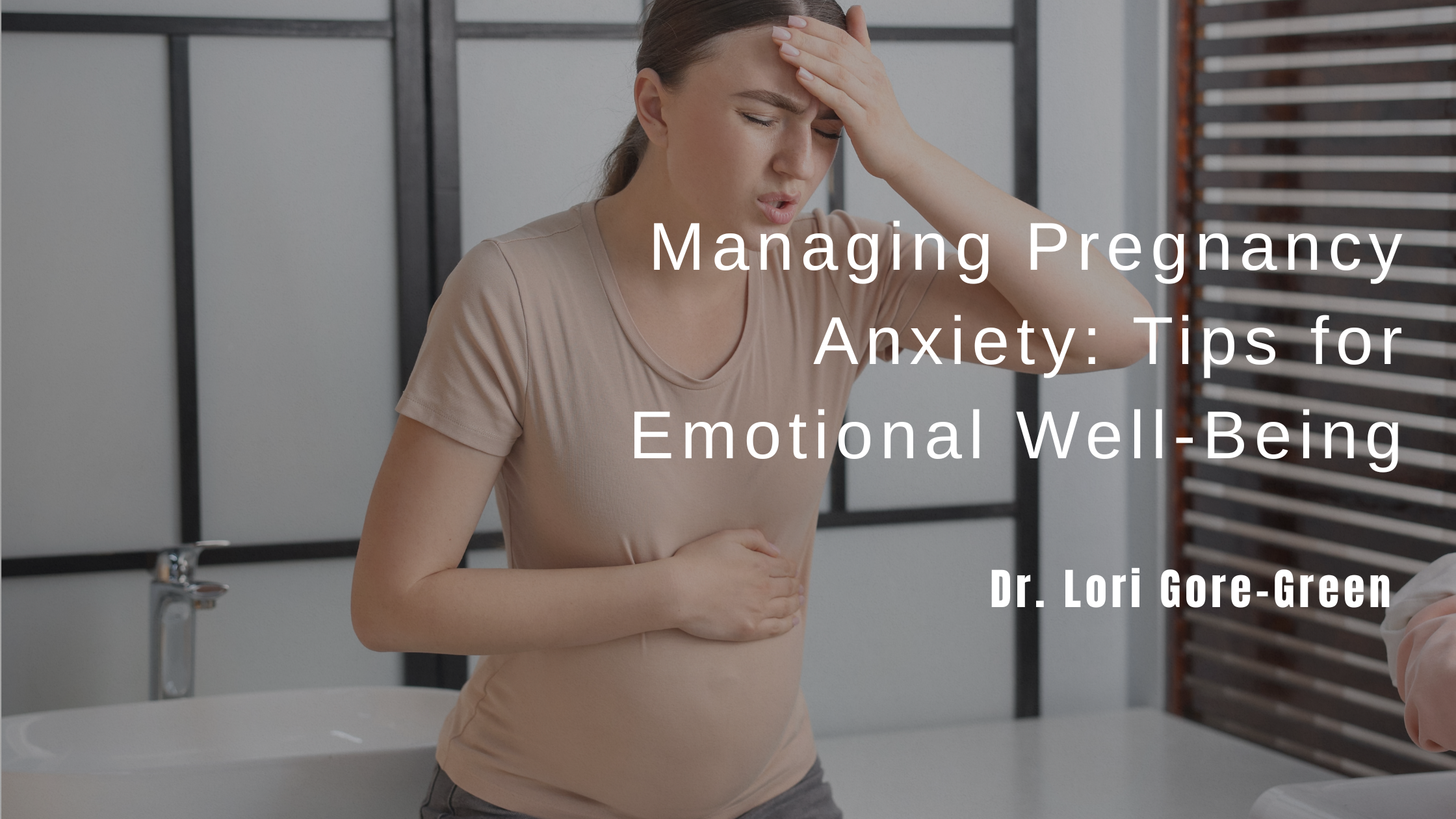
Pregnancy is often described as one of the most joyful seasons of life. Yet for many women, it is also a time filled with uncertainty, vulnerability, and anxiety. Physical changes, hormonal shifts, lifestyle adjustments, and concerns about labor, parenting, and the baby’s health can feel overwhelming. If you’re experiencing anxiety during pregnancy, you are not alone — and you are not failing. Emotional well-being is just as important as physical health during this transformative journey.
Below are practical, compassionate strategies to help manage pregnancy anxiety and cultivate a calmer, more grounded experience.
1. Acknowledge Your Feelings Without Judgment
The first step in managing anxiety is recognizing it. Many expectant mothers feel guilty for worrying during what is “supposed” to be a happy time. But emotions are not right or wrong — they are signals.
Ask yourself:
-
What specifically am I worried about?
-
Is this fear based on facts, assumptions, or past experiences?
-
What would I say to a friend feeling this way?
Journaling can be especially helpful. Writing down anxious thoughts often reduces their intensity and helps you identify patterns or triggers.
2. Limit Information Overload
We live in an era of constant information. While access to knowledge can be empowering, too much exposure — especially to worst-case scenarios online — can heighten anxiety.
Try these boundaries:
-
Choose one or two trusted medical sources.
-
Avoid late-night internet searches.
-
Limit time in online forums if they increase fear rather than reassurance.
Remember: every pregnancy is unique. Reading about rare complications does not make them more likely to happen to you.
3. Prioritize Gentle Movement
Exercise during pregnancy, when approved by your healthcare provider, can significantly reduce anxiety. Movement releases endorphins, improves sleep, and reconnects you with your body in a positive way.
Consider:
-
Prenatal yoga
-
Walking outdoors
-
Swimming
-
Light stretching routines
Even 20 minutes of gentle movement can calm racing thoughts and restore emotional balance.
4. Practice Mindful Breathing
Anxiety often shows up physically — rapid heartbeat, tight chest, shallow breathing. Slowing your breath signals safety to your nervous system.
Try this simple technique:
-
Inhale slowly for 4 counts.
-
Hold for 4 counts.
-
Exhale for 6 counts.
-
Repeat for 2–3 minutes.
This can be especially helpful before prenatal appointments, bedtime, or whenever worries begin to spiral.
5. Build a Support Circle
You don’t have to carry anxiety alone. Share your concerns with:
-
Your partner
-
A trusted friend or family member
-
Your midwife or OB provider
-
A therapist experienced in perinatal mental health
Sometimes anxiety decreases simply by being heard. Professional counseling can also provide tools to manage intrusive thoughts or persistent worry.
6. Focus on What You Can Control
Pregnancy involves many unknowns. While you can’t control every outcome, you can influence daily habits that support your well-being.
Shift your focus to:
-
Eating nourishing meals
-
Staying hydrated
-
Attending prenatal appointments
-
Getting adequate rest
-
Preparing a birth plan (while staying flexible)
Small, consistent actions build confidence and reduce feelings of helplessness.
7. Strengthen Your Birth Confidence
Fear of labor and delivery is common. Education can transform fear into empowerment. Consider:
-
Taking childbirth education classes
-
Discussing your birth preferences with your provider
-
Learning pain management techniques
-
Reading positive birth stories
Understanding the physiological process of birth often reduces anxiety and increases trust in your body’s capabilities.
8. Create a Calming Daily Ritual
A simple daily ritual can anchor your emotions. This might include:
-
Morning gratitude journaling
-
Evening herbal tea and reflection time
-
Listening to calming music
-
Reading affirmations aloud
Consistency builds emotional resilience. Even 10 quiet minutes per day can create a sense of stability amid change.
9. Watch for Signs of Perinatal Anxiety Disorders
Occasional worry is normal. However, persistent anxiety that interferes with sleep, appetite, or daily functioning may signal a perinatal anxiety disorder.
Seek professional help if you notice:
-
Constant intrusive thoughts
-
Panic attacks
-
Excessive reassurance-seeking
-
Inability to relax at any time
Treatment options — including therapy and, in some cases, medication — are safe and effective during pregnancy. Early support benefits both mother and baby.
10. Practice Self-Compassion
Perhaps the most powerful tool for emotional well-being is self-compassion. Pregnancy asks a great deal of your body and mind. You are growing a human being — that alone is extraordinary.
Instead of striving to feel calm all the time, aim to respond gently when anxiety appears. Speak to yourself with kindness. Rest when you need to. Ask for help without apology.
A Final Thought
Pregnancy anxiety does not define your motherhood. It reflects how deeply you care. With awareness, support, and intentional self-care, you can navigate this season with greater confidence and peace.
Emotional well-being is not about eliminating worry entirely — it’s about building tools to move through it. As you prepare to welcome new life, remember to nurture your own heart and mind along the way.
Managing Pregnancy Anxiety: Tips for Emotional Well-Being
Pregnancy is a powerful and life-changing journey. Along with excitement and anticipation, it can also bring moments of worry and uncertainty. Concerns about your baby’s health, upcoming labor, body changes, or the transition into parenthood are completely natural. Managing pregnancy anxiety isn’t about eliminating worry altogether — it’s about developing healthy ways to respond to it so you can feel more grounded and supported.
Here are practical, gentle strategies to help you protect your emotional well-being during pregnancy.
Acknowledge That Anxiety Is Normal
First, give yourself permission to feel what you’re feeling. Pregnancy involves physical, hormonal, and lifestyle changes that can heighten emotions. Rather than judging yourself for feeling anxious, recognize it as a sign that you care deeply about your growing baby and your future as a parent.
When anxious thoughts arise, try naming them:
“I’m feeling worried about the delivery.”
“I’m feeling uncertain about being prepared.”
Labeling emotions can reduce their intensity and help you feel more in control.
Limit Overexposure to Information
While it’s helpful to be informed, too much information can quickly become overwhelming. Constantly searching online or reading worst-case stories may increase fear rather than ease it.
Choose a few trusted sources for pregnancy guidance and avoid late-night research sessions. If certain conversations or social media accounts trigger anxiety, give yourself permission to step back. Protecting your peace is part of prenatal care.
Establish a Calming Daily Routine
Structure creates a sense of safety. Building small daily rituals into your routine can stabilize emotions and provide something steady to rely on.
Simple calming practices include:
-
A short morning gratitude journal
-
Gentle stretching before bed
-
Listening to soothing music
-
Reading a few pages of an uplifting book
-
Spending quiet time outdoors
Consistency matters more than length. Even 10 minutes a day can make a noticeable difference.
Practice Mindful Breathing
Anxiety often shows up physically — tight shoulders, shallow breathing, racing thoughts. Deep breathing signals your body to relax.
Try this simple exercise:
-
Inhale slowly for four counts
-
Pause briefly
-
Exhale slowly for six counts
-
Repeat for a few minutes
You can practice this while lying in bed, sitting in your car, or waiting for an appointment. It’s a portable tool you can use anytime.
Stay Connected to Your Body in Positive Ways
Pregnancy transforms your body, and that transformation can feel unfamiliar. Gentle movement can help you reconnect in a positive, empowering way.
Consider:
-
Walking outdoors
-
Prenatal yoga
-
Light stretching
-
Relaxed swimming
Movement releases tension and encourages emotional balance. Always move in ways that feel comfortable and supportive for your body.
Focus on What You Can Control
Much of pregnancy involves uncertainty. Instead of dwelling on unknowns, shift your attention to daily actions within your control.
You can:
-
Nourish your body with balanced meals
-
Stay hydrated
-
Rest when you’re tired
-
Prepare your home gradually
-
Create a flexible birth preferences plan
Small, consistent steps build confidence and reduce feelings of helplessness.
Talk About Your Fears
Anxiety often grows in silence. Sharing your concerns with a partner, friend, family member, or trusted birth professional can lighten the emotional load.
Sometimes you don’t need solutions — you just need to feel heard. Honest conversations can normalize your experience and remind you that you’re not alone in your worries.
Reduce “What If” Thinking
Pregnancy anxiety often centers on “what if” thoughts.
“What if something goes wrong?”
“What if I’m not ready?”
When you notice this pattern, gently redirect your thoughts toward the present moment. Ask yourself:
-
What is true right now?
-
What evidence supports this fear?
-
What is going well today?
Grounding yourself in the present helps prevent your mind from spiraling into imagined futures.
Prepare for Birth With Confidence
Fear of labor is common. Learning about the birth process, exploring comfort techniques, and discussing your preferences with your care team can replace fear with understanding.
Education builds trust — trust in your body, trust in your preparation, and trust in your support system. Confidence grows when you feel informed and empowered.
Prioritize Rest and Boundaries
Pregnancy requires energy — physically and emotionally. Protect your rest and set gentle boundaries when needed.
It’s okay to:
-
Decline events when you’re tired
-
Ask for help with household tasks
-
Take breaks from stressful conversations
-
Limit time around negativity
Your well-being matters.
Cultivate Self-Compassion
Above all, treat yourself with kindness. You are navigating change on multiple levels at once. Some days will feel calm and joyful; others may feel uncertain. Both are part of the journey.
Instead of striving for constant peace, aim for compassionate awareness. Speak to yourself as you would to a dear friend. Celebrate small victories. Acknowledge your strength.
Final Thoughts
Pregnancy anxiety does not mean you are unprepared or incapable. It means you care deeply about this new life and the responsibility ahead. With supportive habits, honest conversations, and gentle self-care, you can move through worry with greater steadiness.
Emotional well-being during pregnancy isn’t about perfection — it’s about presence. And by caring for your own heart and mind, you are already caring for your baby in a powerful way.